

Randy and the Workflows That Helped Move Lawton Forward
Randy has helped Lawton Printing and Graphics adapt through two different chapters, several major technology shifts, and a changing print industry that continues to reward clear process and steady production thinking.
His story connects Lawton’s early CAD plotting days with the digital workflows, color graphics, equipment upgrades, and customer support systems that shape production today.
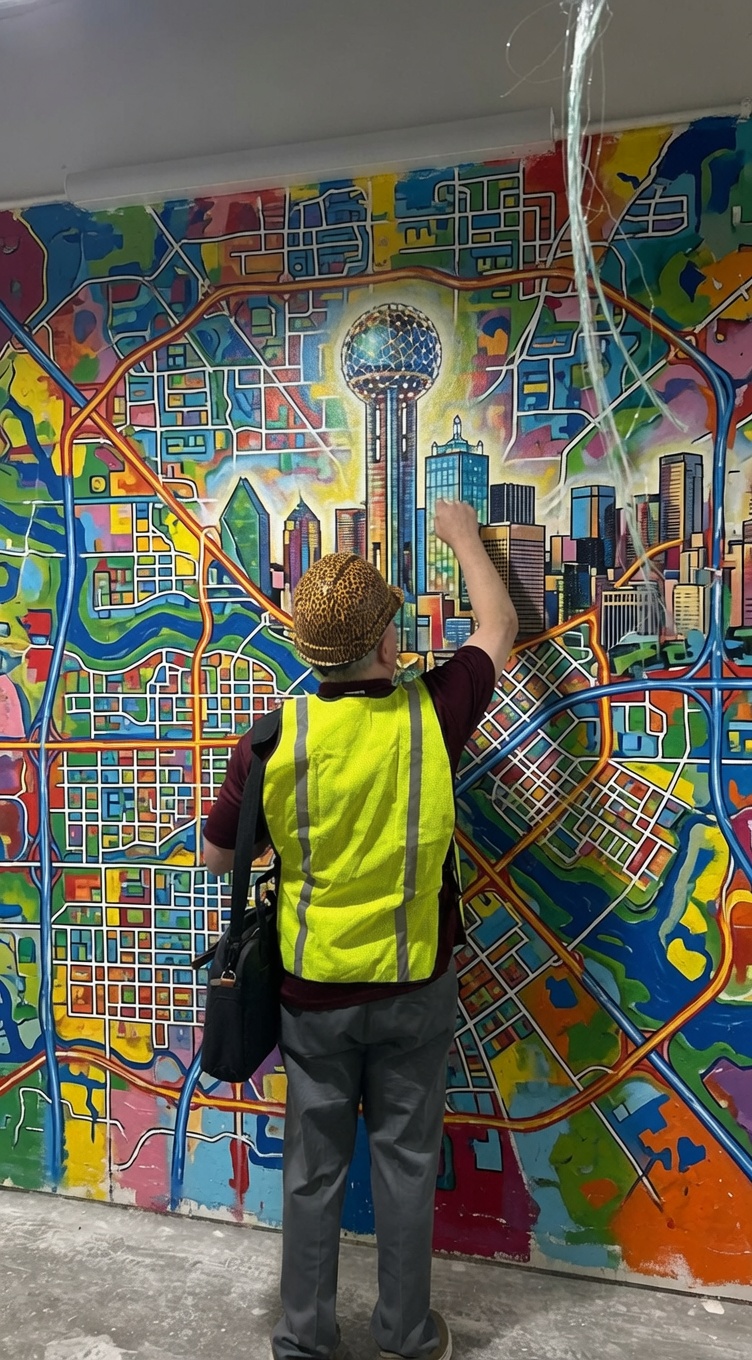
Two chapters with Lawton
Print technology has changed dramatically, but the work still depends on people who understand files, timelines, equipment, and the customer’s real deadline.
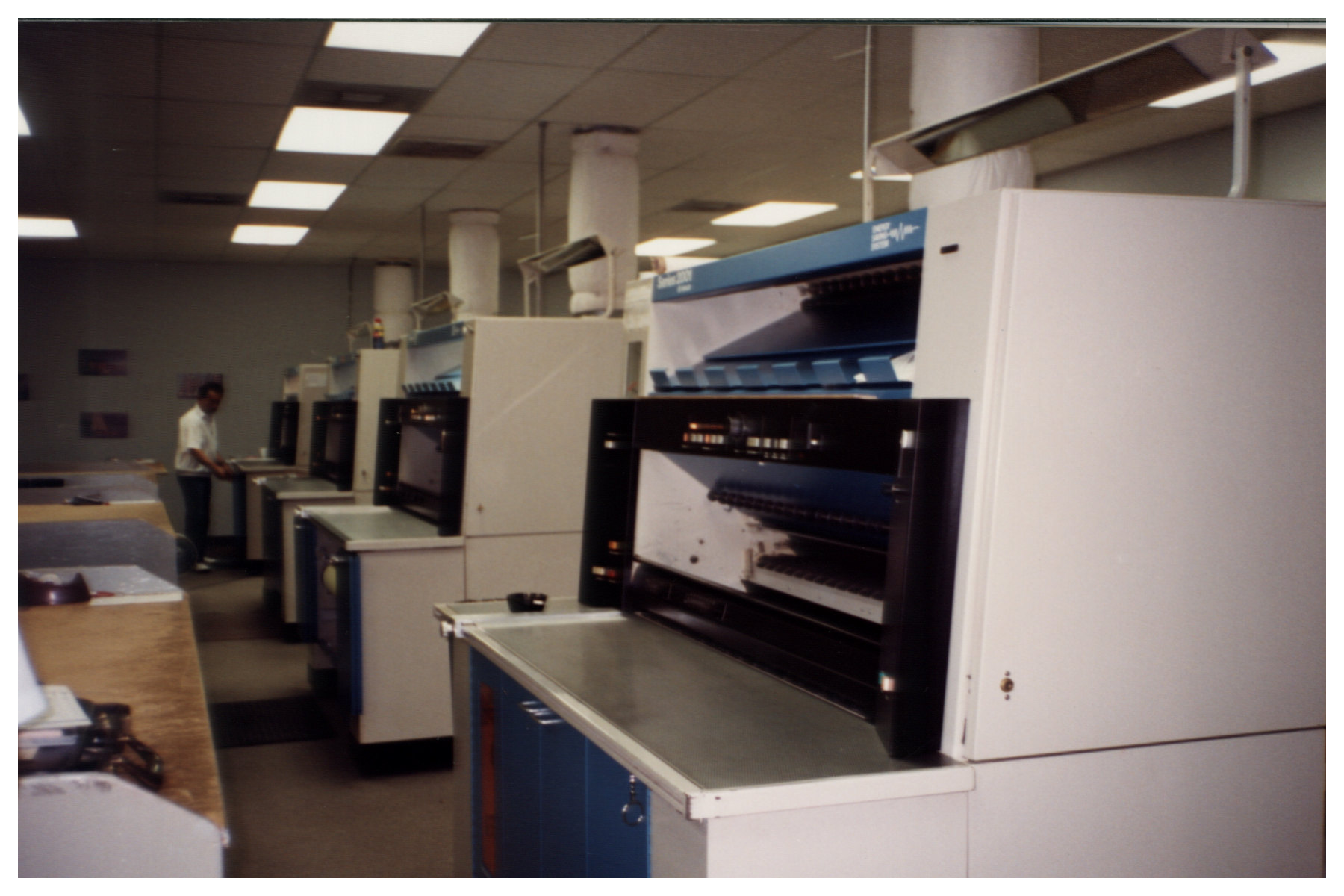
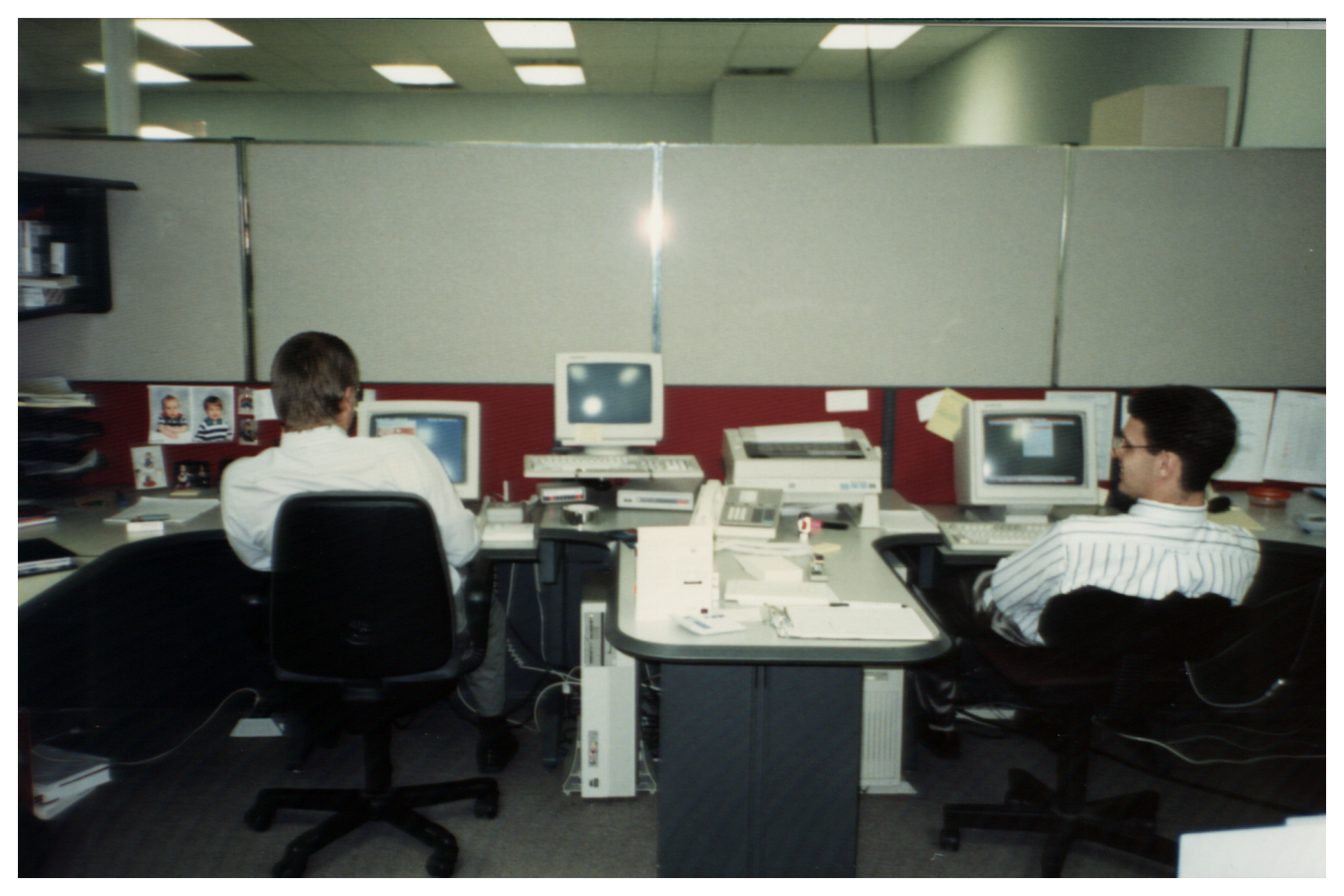
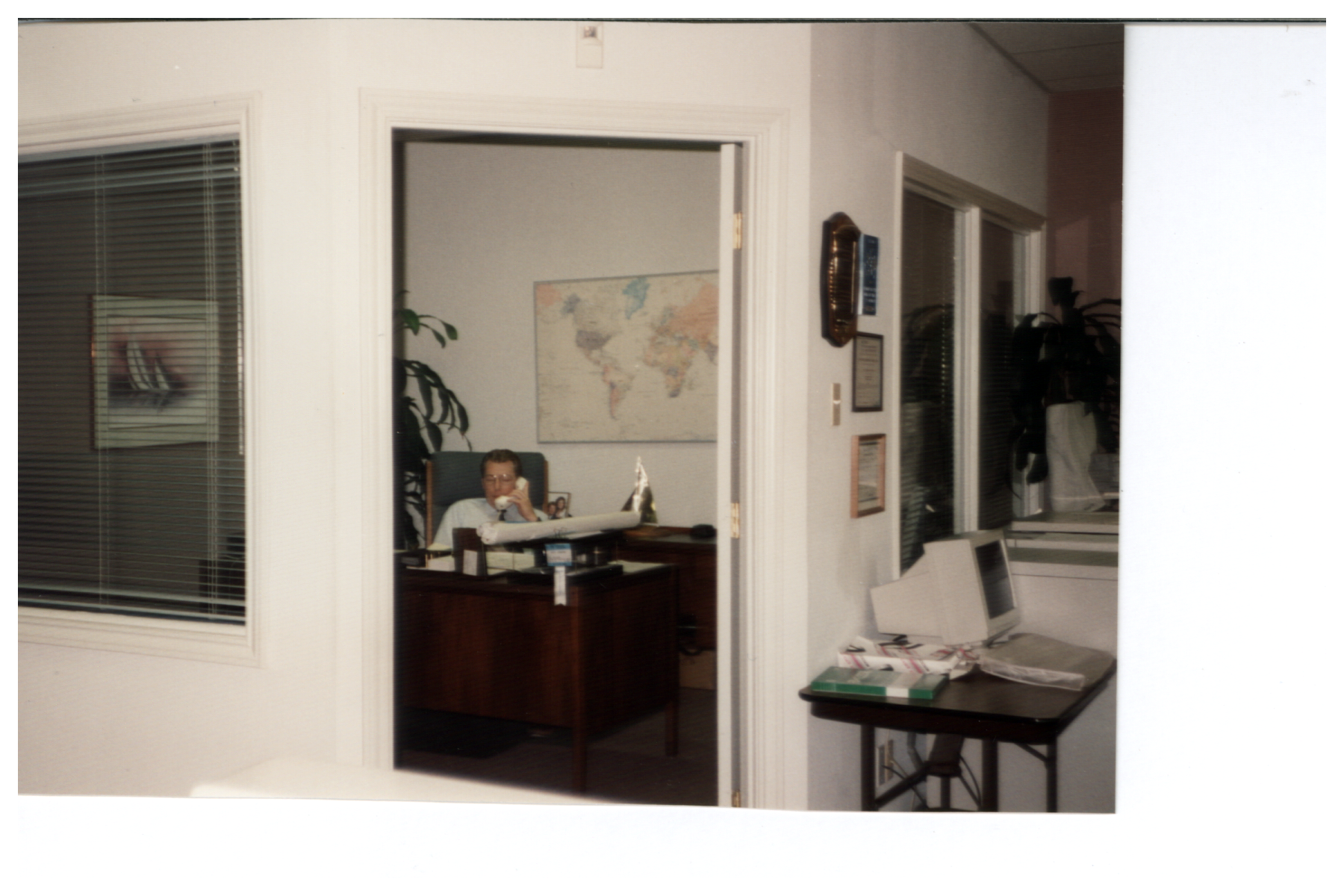
Randy first started with Lawton in 1991, when he helped launch the CAD plotting department. At the time, most work was still centered around traditional blueprints.
CAD files were used to produce vellum plots, which then became blueline sets. Before long, Lawton began producing sets directly from CAD files, one of the early steps toward the digital workflow we know today.
Those early systems were a major shift for the shop. What started with plotting and blueline production eventually became a more direct, computer based way to manage files and produce sets.
That first chapter also included the beginning of Lawton’s color graphics capabilities. From a color copier with a digital front end to large format color plotters, Randy was part of the transition that moved the company beyond traditional reprographics and into more advanced print and graphics work.
That same practical evolution still shows up across Lawton’s work today, from AEC printing and construction document support to wall graphics, window film, and larger production projects.
“A good workflow provides the flexibility required to get orders completed without reinventing the process every day.”
Randy
After leaving Lawton, Randy relocated his family to Phoenix and worked in software and product management for printing production technology. Through acquisitions, he worked with Autodesk, Oce, and Canon while staying in a similar product management role.
That experience gave him the opportunity to visit reprographers around the world and see how different shops approached production, workflow, and customer service.
Randy returned to Lawton in 2013, stepping back into a role that felt familiar but was shaped by a completely different technology landscape. There were more computers, a larger network to manage, and a business that was quickly shifting from black and white CAD plotting toward color CAD, graphics, equipment upgrades, and new production workflows.
From blueprints to connected workflows
For Randy, one of the biggest lessons from his time in software, consulting, managed services, and product management is the importance of process.
Every day brings a different mix of work, timelines, files, and customer needs. Strong processes make it possible to stay consistent without losing the flexibility that print and graphics work requires.
In 1991, there was one computer and a few accounting terminals. There was no internet, no email, and no cloud. Early customer file submission happened through modems.
By the time he left in 2000, Lawton was already moving toward a fully computer based shop with a website, daily email use, and systems that worked a lot like what we now think of as cloud based workflow.
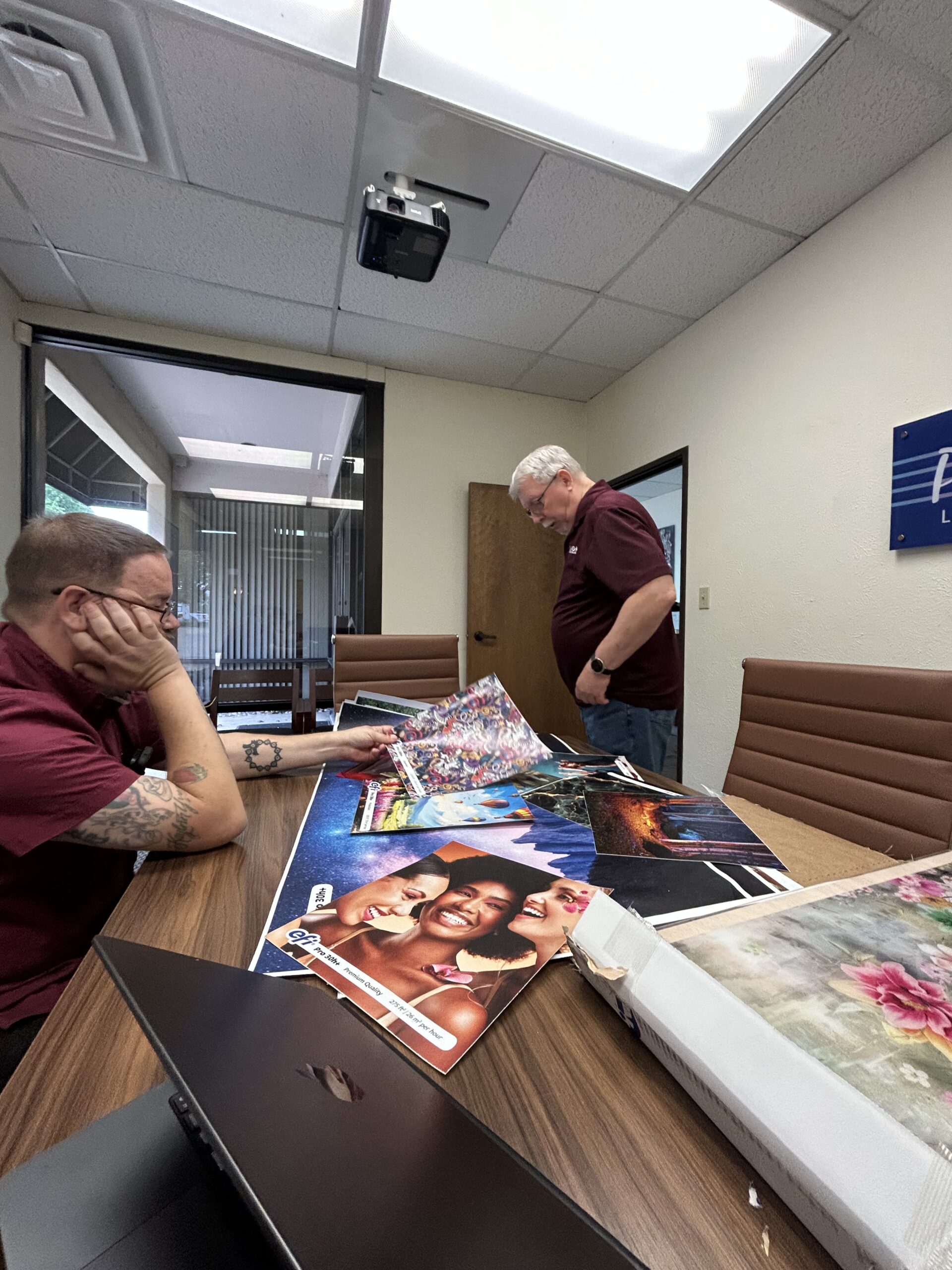
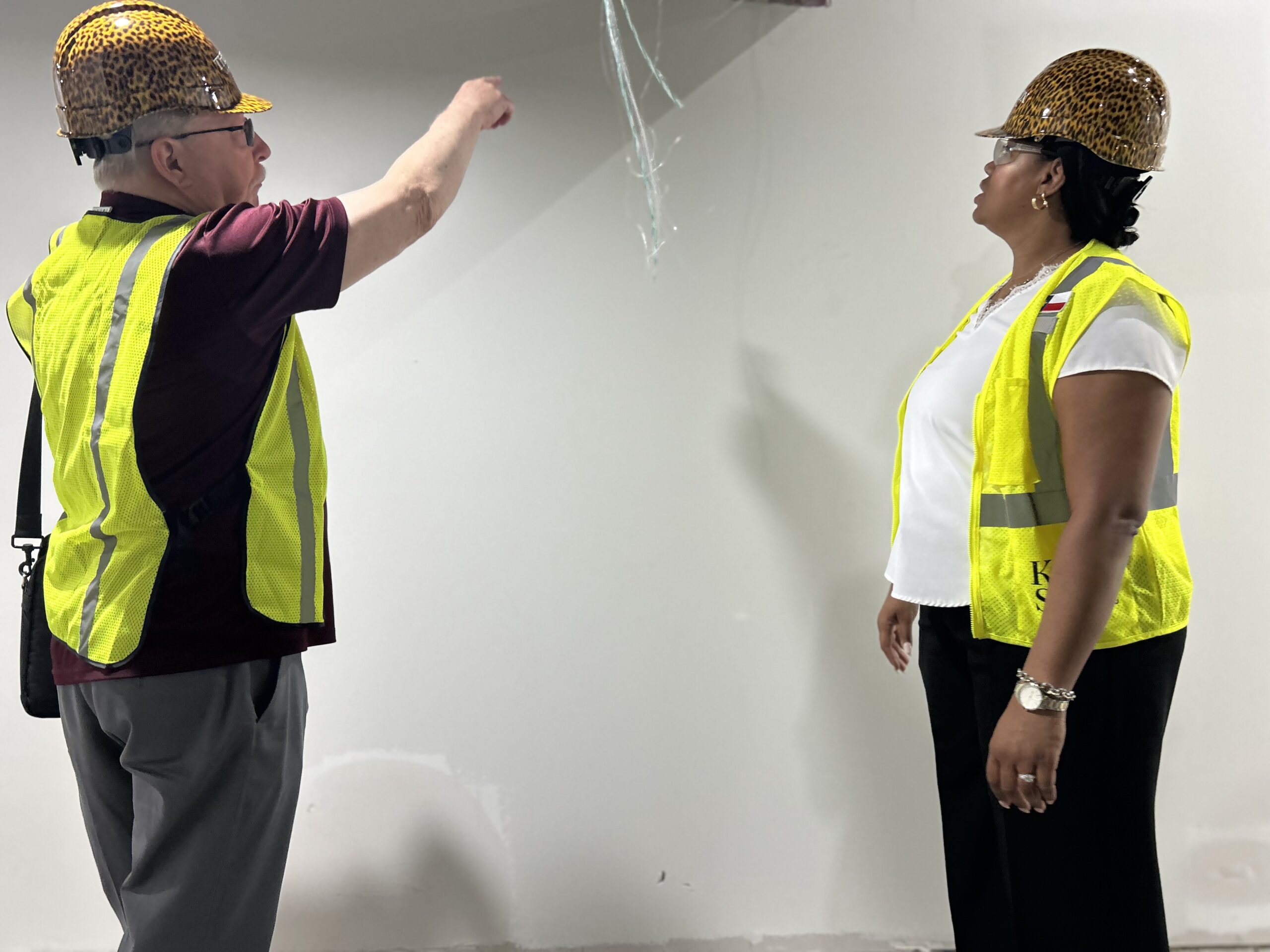
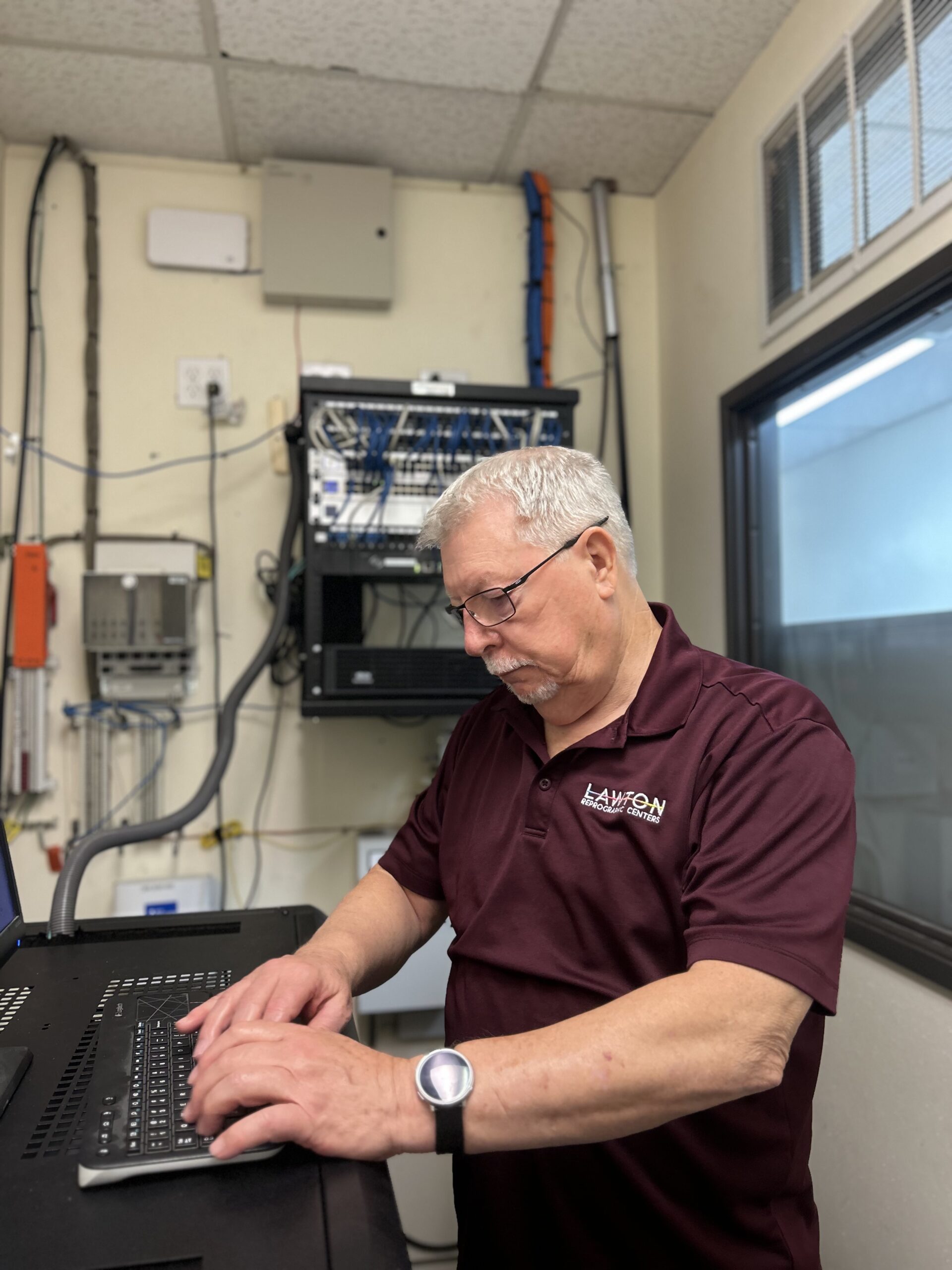
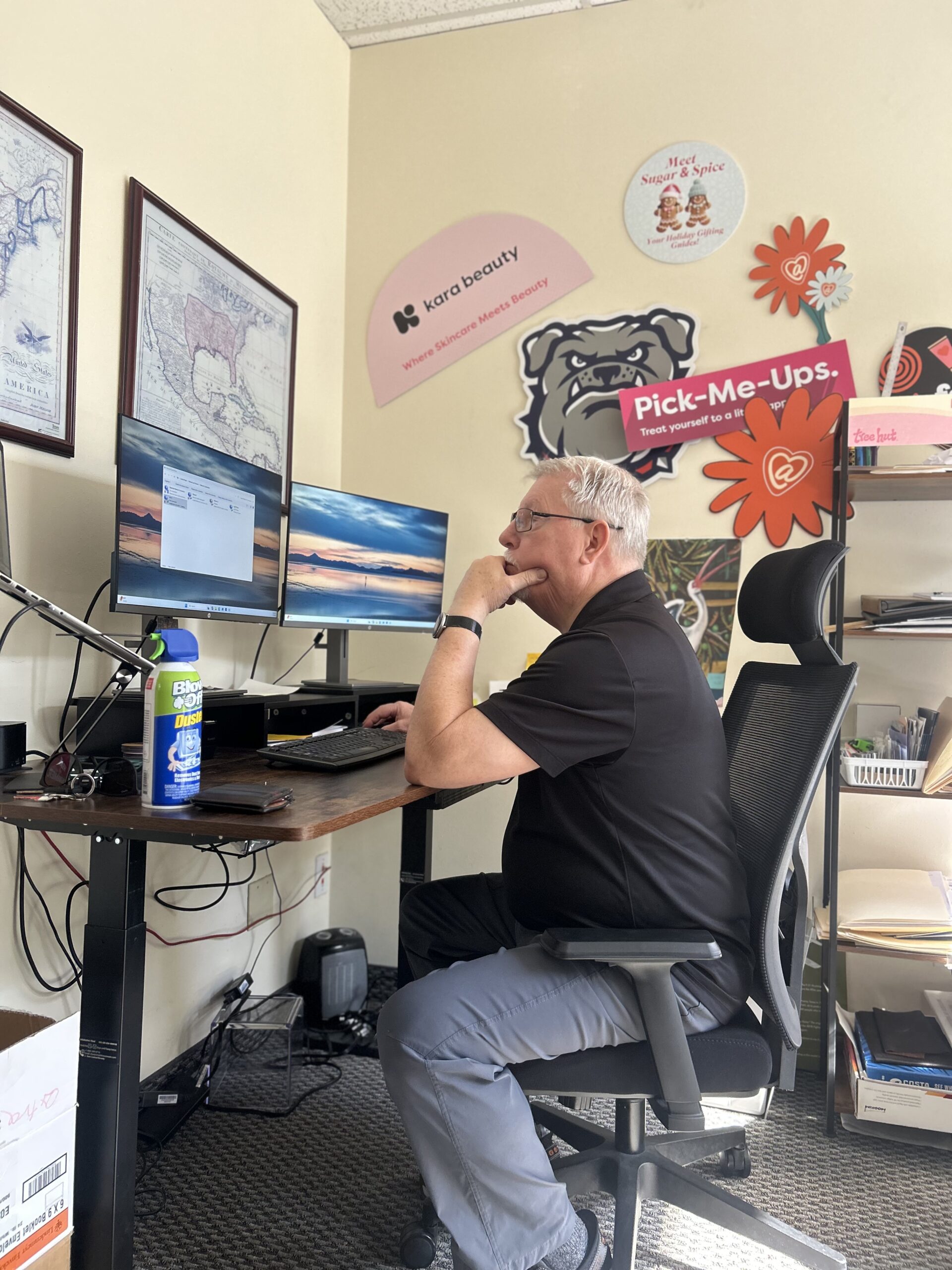
Randy helped launch Lawton’s CAD plotting department at a time when most production still revolved around traditional blueprints, vellum plots, and blueline sets.
By the time Randy left Lawton, the company was already moving toward a more computer based shop with a website, daily email use, and more connected production systems.
Randy returned to Lawton as the business was shifting further into color CAD, graphics, equipment upgrades, and broader production workflows.
The comparison is almost impossible. The tools have changed, but the need for practical workflow, reliable production, and steady customer support has not.
Technology changed the work, but people still guide it
In 2026, the comparison is almost impossible. The tools have changed, the files are faster, and production is more connected, but the work still depends on experienced people who know how to keep a job moving without creating surprises for the customer.
The constant through all the change
“I feel very lucky to have been at the forefront of all this technology innovation,” Randy said.
But through all the change, Randy believes the most important part of Lawton has stayed the same.
People.
Customers, employees, and relationships still sit at the center of the business. Technology matters, but only when it supports the people using it.
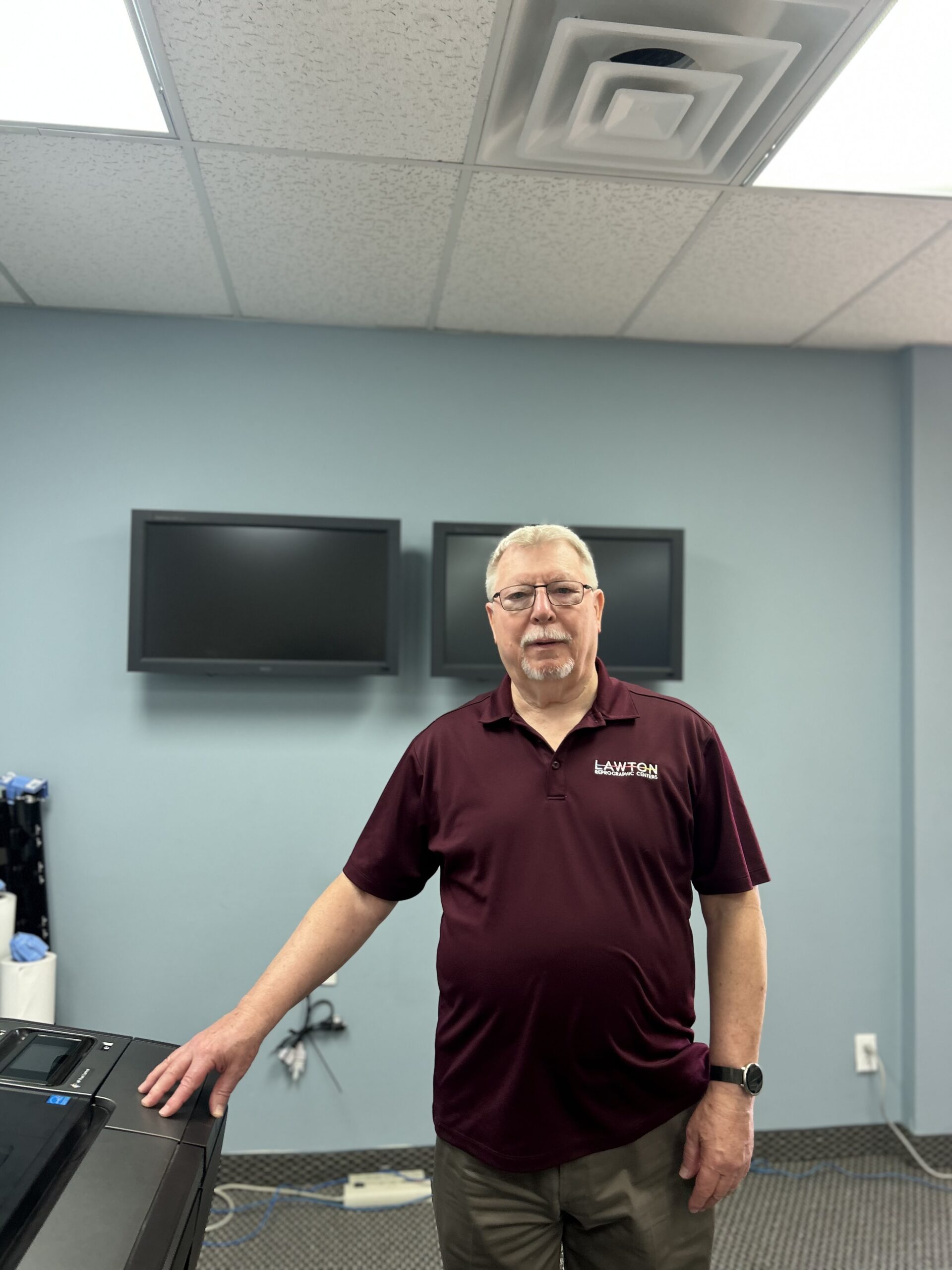
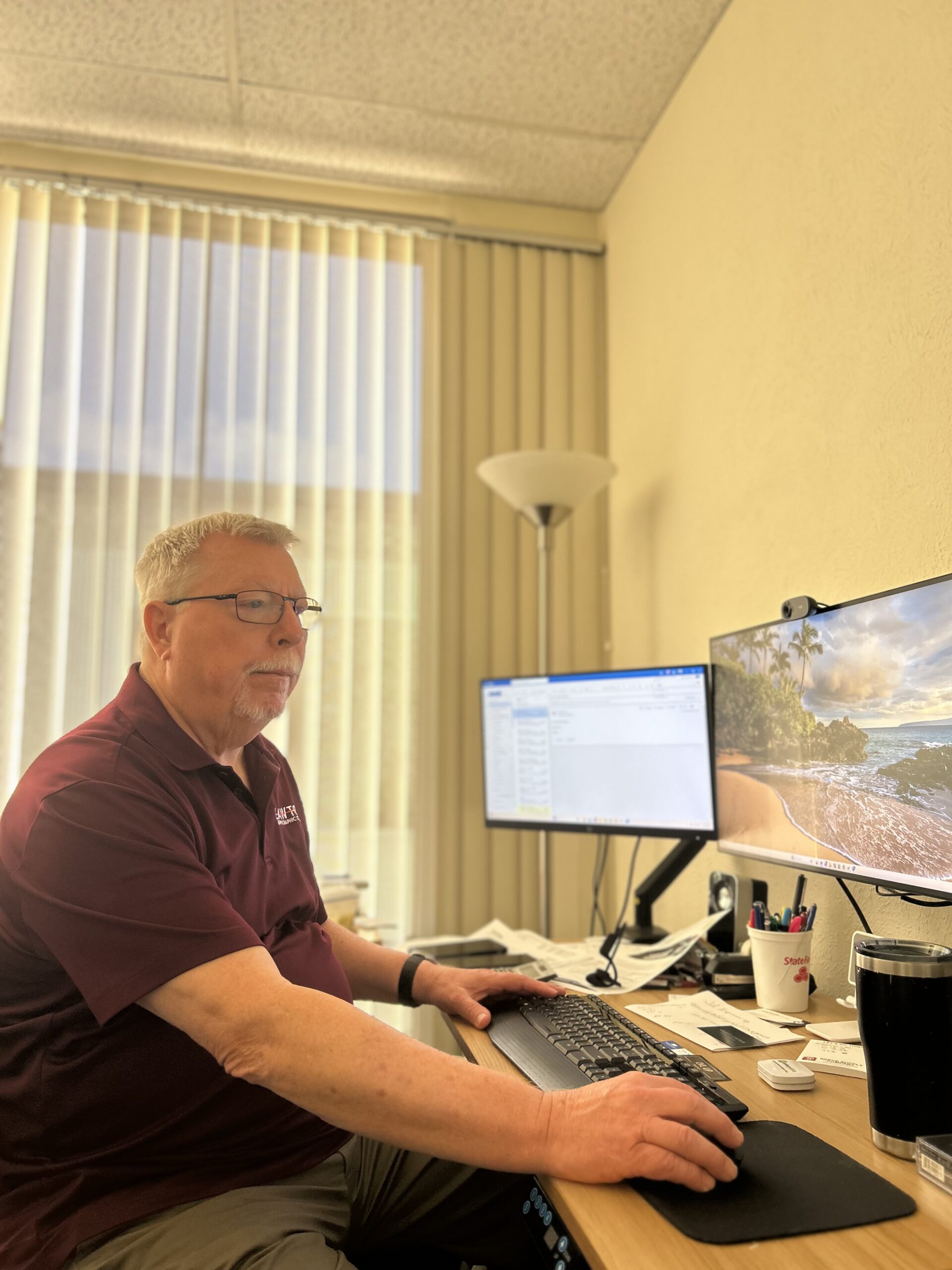
“Randy has always had a rare ability to see where the industry is headed while still understanding what has to work today. He has helped Lawton adapt through some of the biggest technology shifts this company has ever seen, but he has never lost sight of the people side of the business. That combination of technical understanding, process thinking, and care for the customer has made a lasting impact here.”
Greg Howard
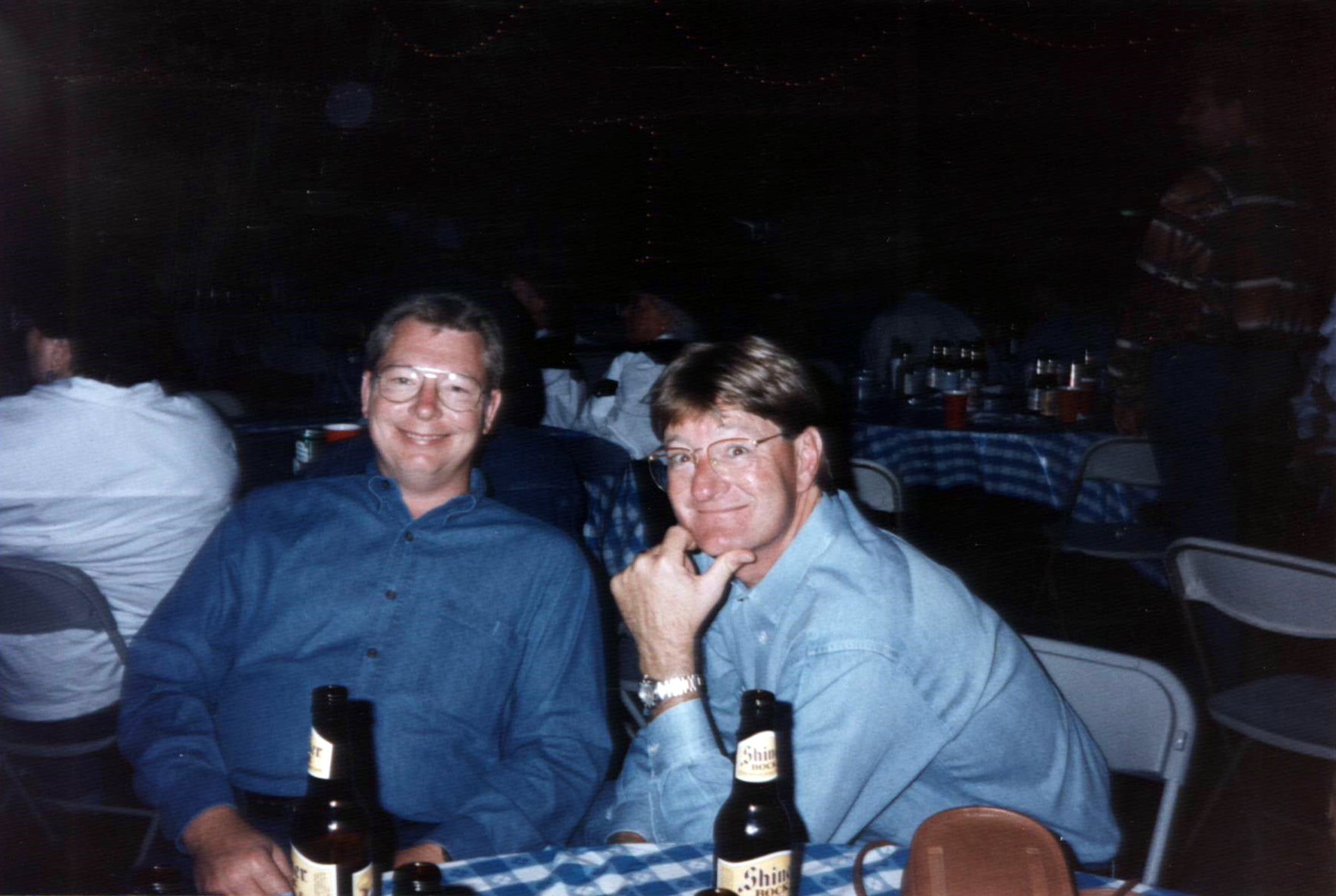
As Lawton continues to grow, Randy is focused on building from where the company is now and continuing to adjust to what customers need next. With new equipment and services planned, he is excited for the next chapter and what Lawton will be able to offer moving forward.
Talk to production when the workflow matters
Whether the job is a plan set, a color graphics project, a scanning request, or a larger production handoff, Lawton is happy to help review the details before the work moves forward. No pressure, just support from a North Texas team with decades of practical production experience.
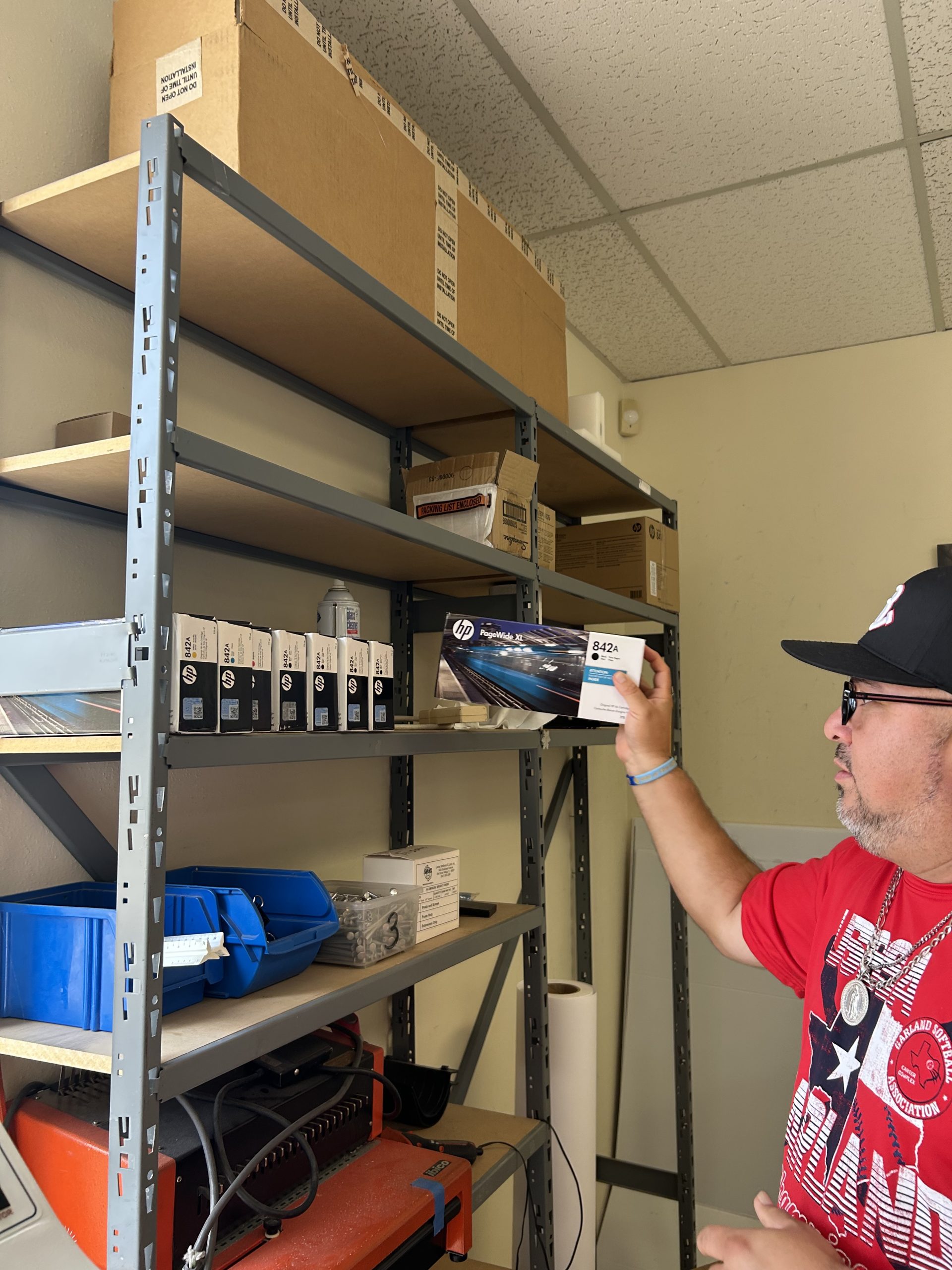
Joey has been with Lawton for over 20 years, handling construction plans and document archiving. He shares how he got started, why he’s stayed, and even a funny shop story.

Randy’s story with Lawton stretches from the early days of CAD plotting and traditional blueprints to the connected digital workflows that support production today.
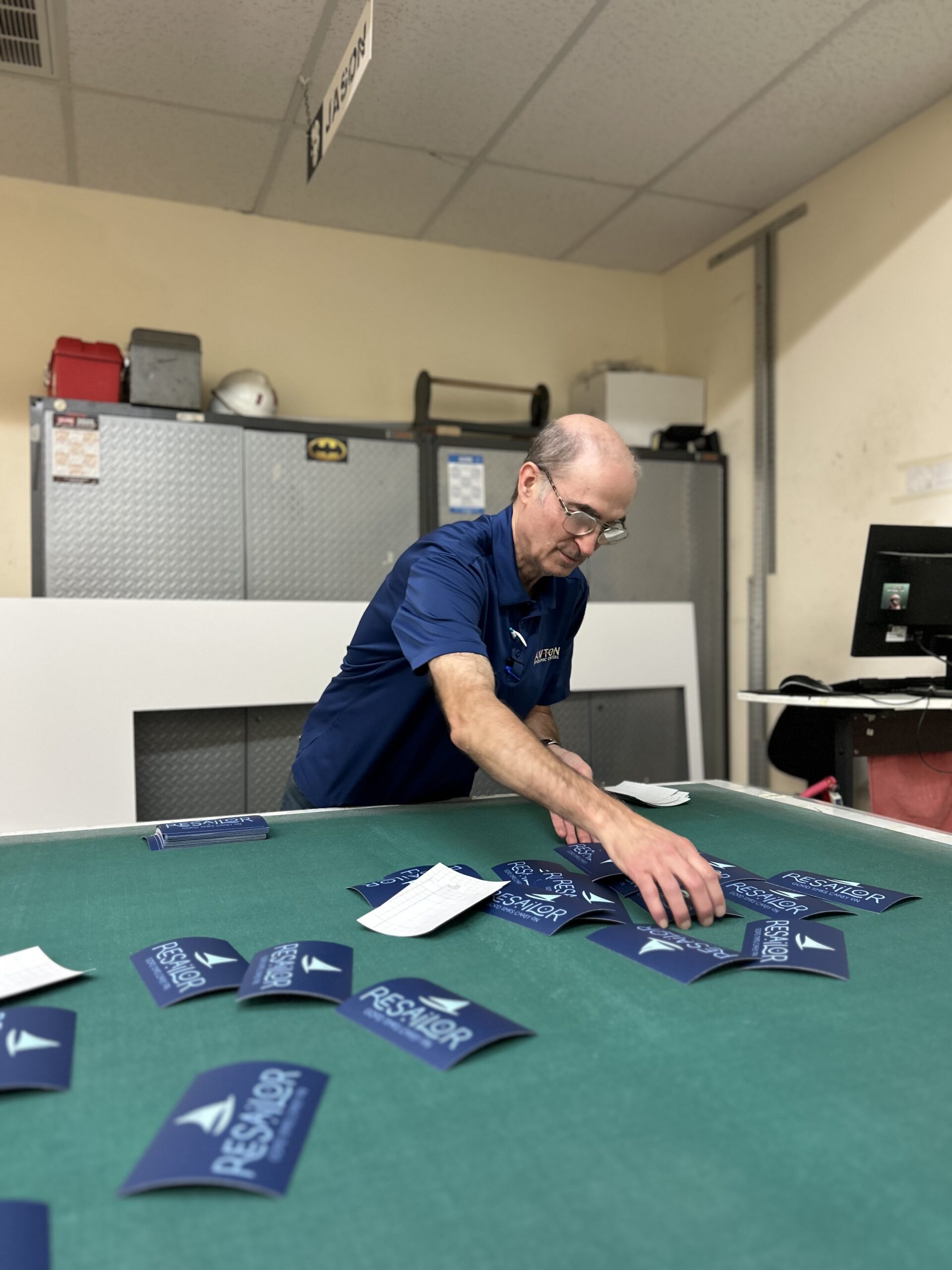
Meet Mark, a longtime Lawton production team member known for large format printing, finishing, scanning, construction drawings, and careful hands on print work.
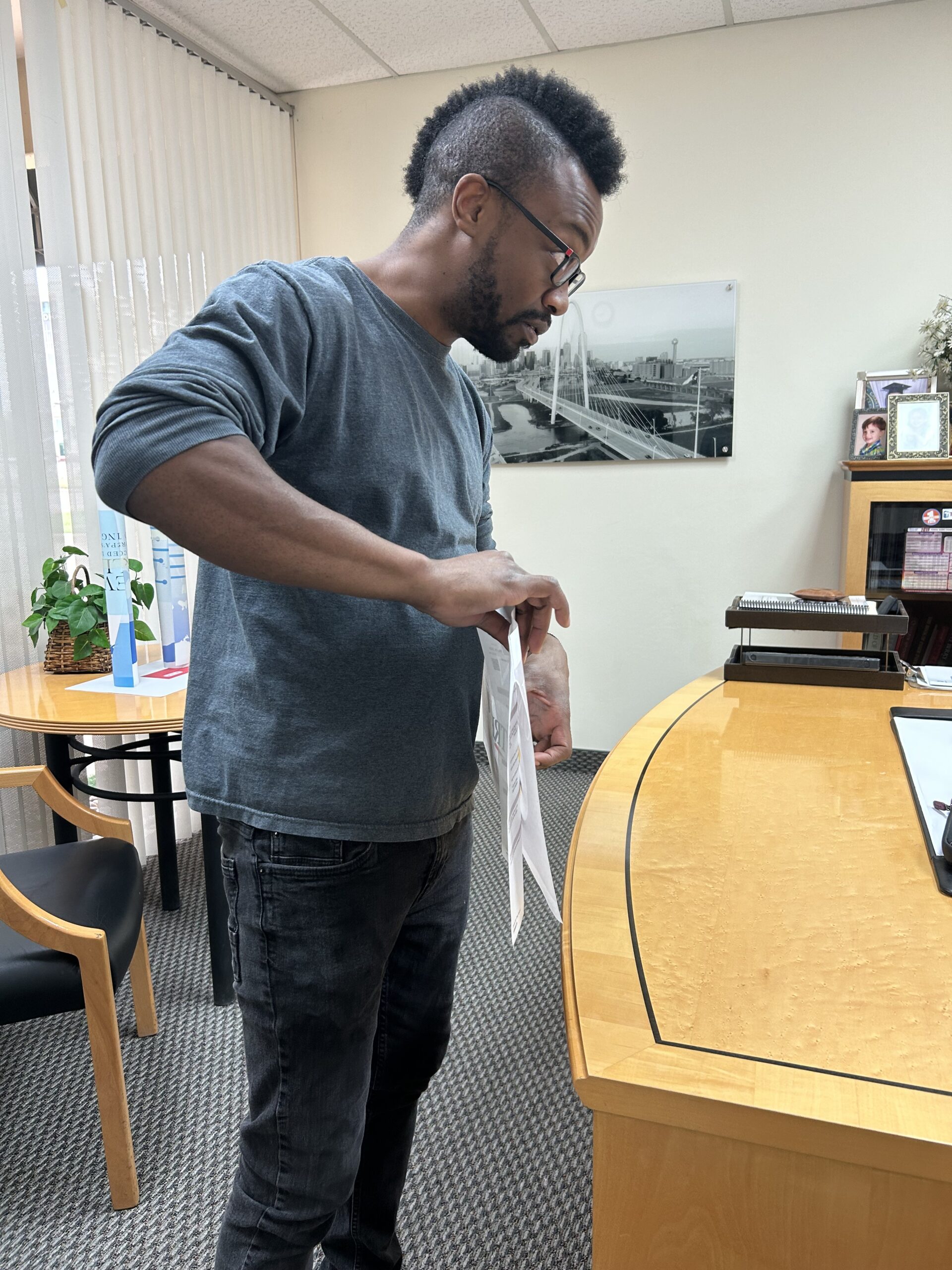
Tray’s the kind of guy who can print a 100-foot banner, troubleshoot a tricky file, and still have time to talk podcasts. He’s a key part of the Lawton crew — and a pretty great artist too.
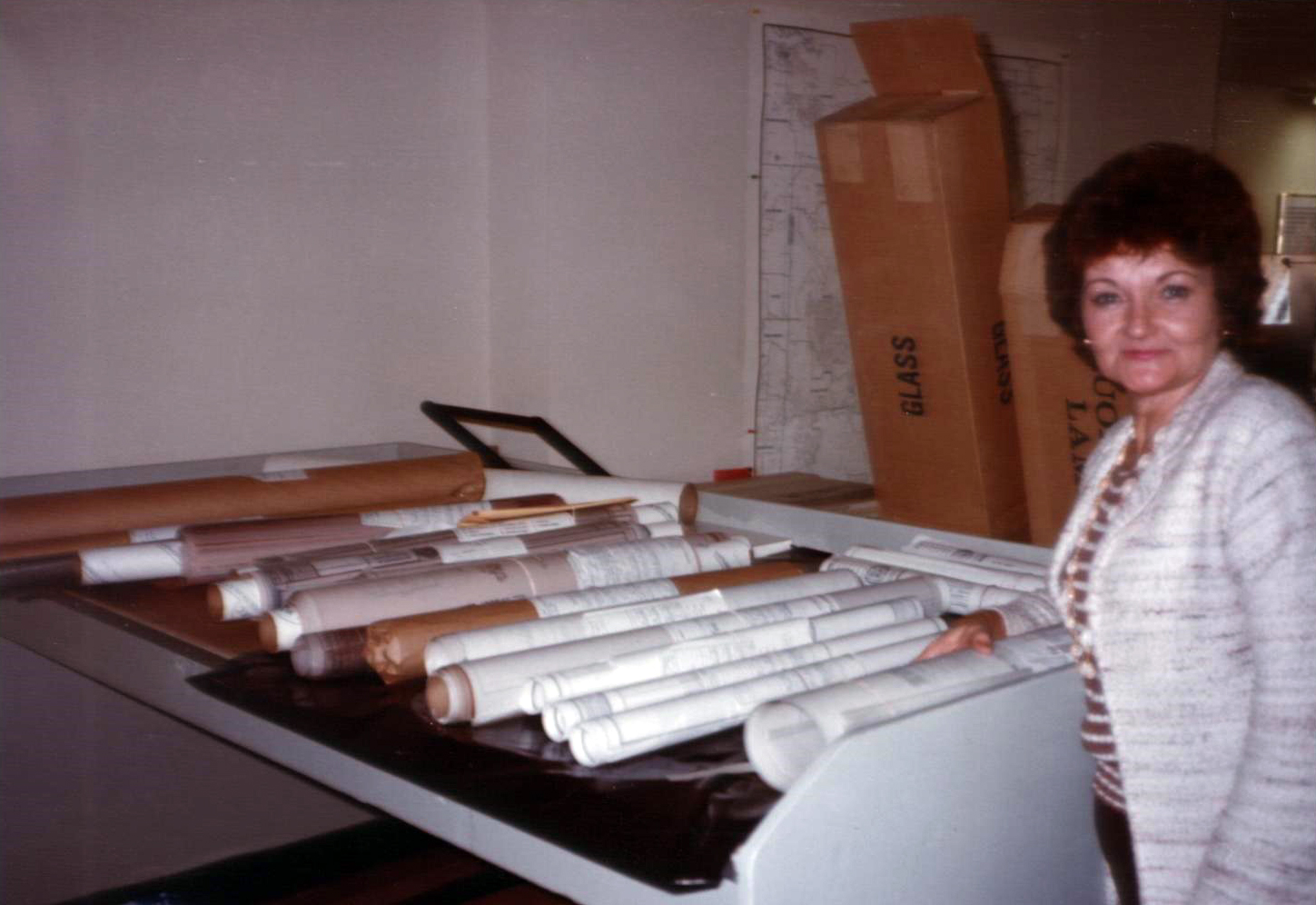
Learn how Barbara Lawton shaped the culture, leadership, and decision making at Lawton Printing & Graphics. A real story of respect, clarity, and independence in North Texas.

Jason leads the in house design and prepress team at Lawton Printing & Graphics. As Art Director, he helps turn ideas and rough concepts into accurate, press ready files that keep production running smoothly.

Meet Hoshawn Hawkins, Service Manager at Lawton Printing & Graphics. Certified in A+, Network+, and Security+, he leads equipment service and IT support.

Rigo’s story—from the offset era to today—plus a few real answers that capture the culture at Lawton.

Jennifer Christilles embodies the Lawton drive. Read about her journey, from childhood roots in the office to her hands-on approach as CFO and Office Manager.
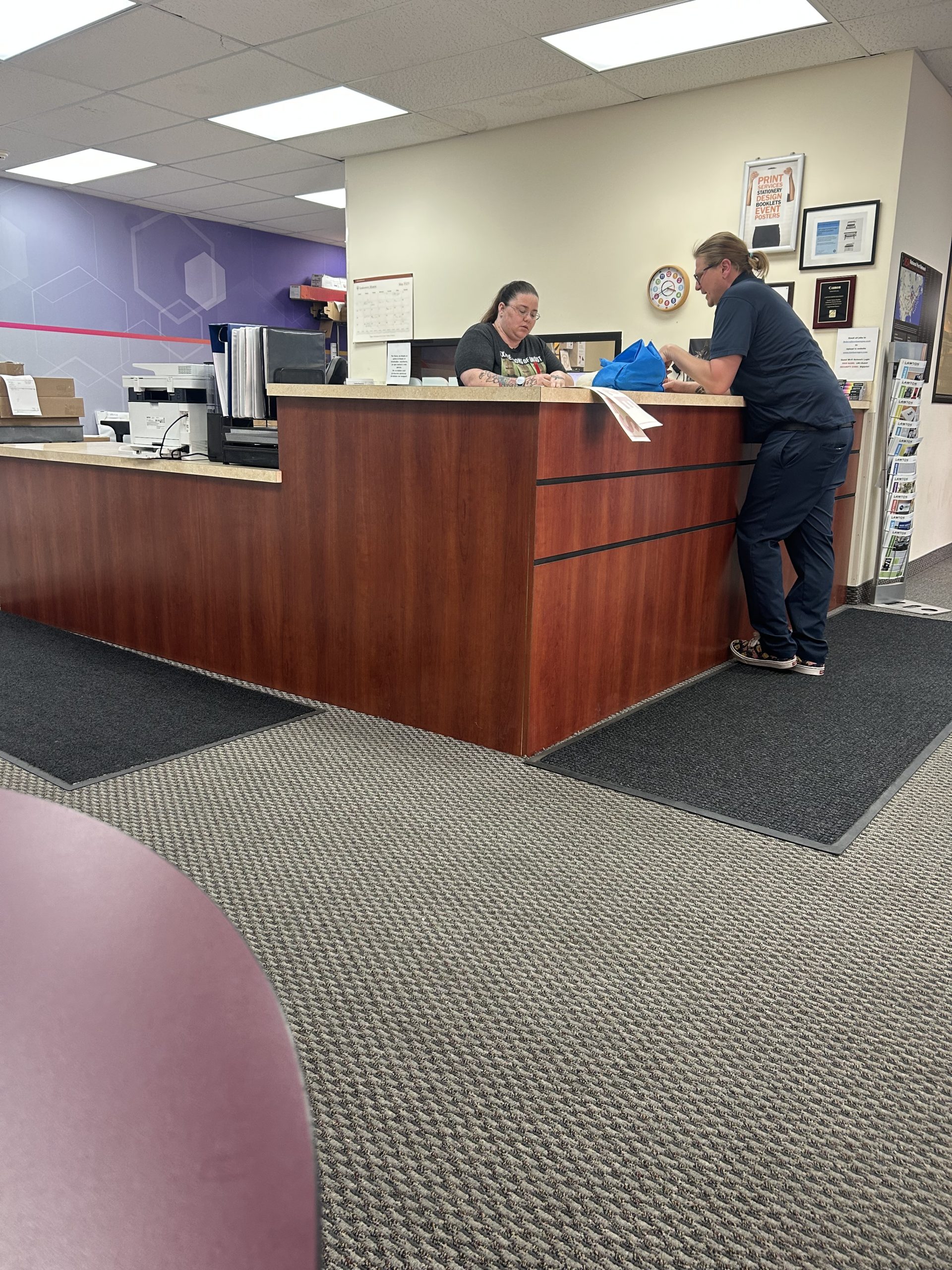
If you’ve printed with Lawton, Rachel’s likely had a hand in it. From running every machine in the shop to hiding 100 tiny rubber ducks, she brings both skill and creativity to everything she does.
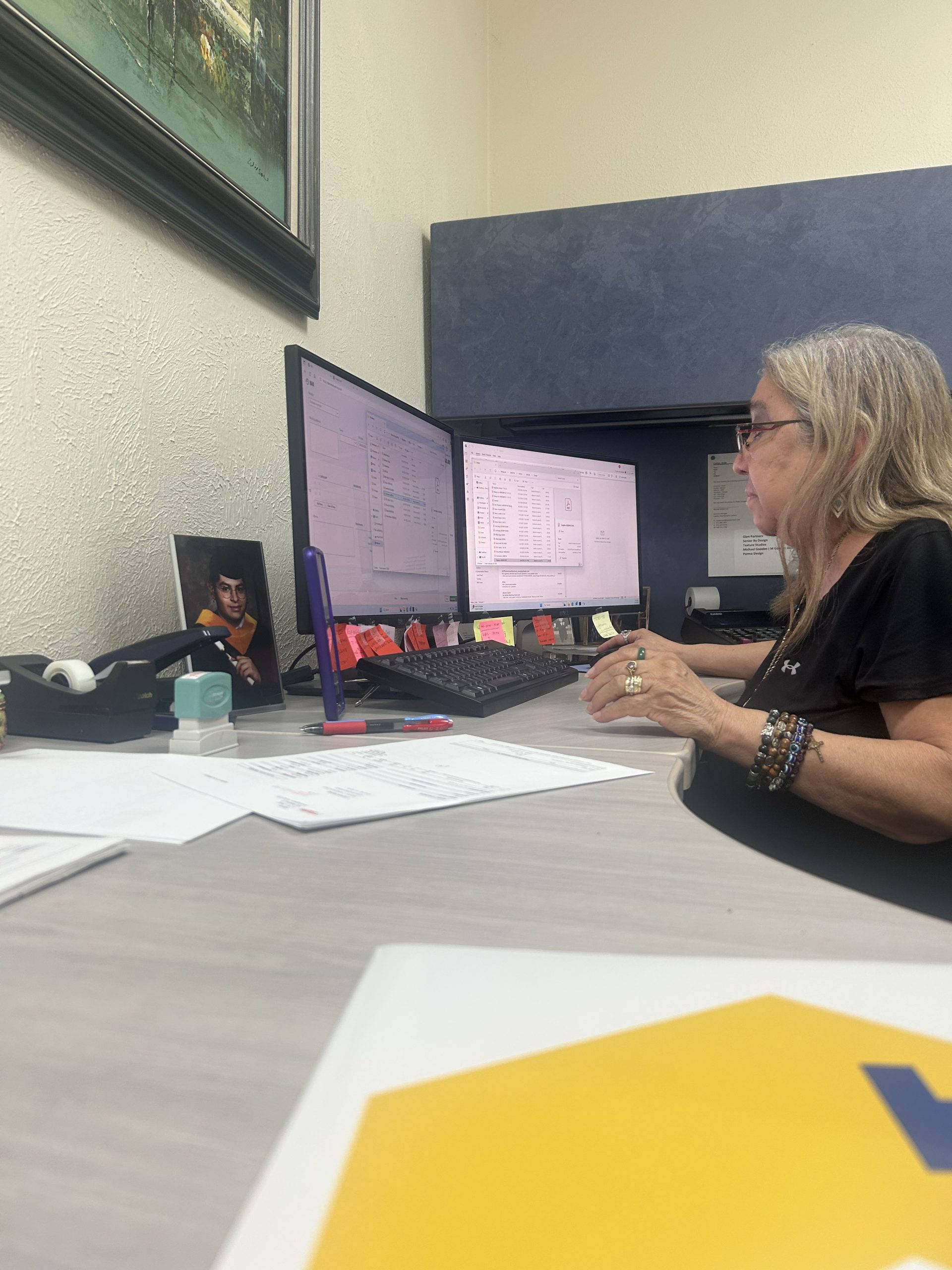
Carmen didn’t come to Lawton expecting to stay. But nearly two decades later, she’s still here—steady, sharp, and full of stories. From her early days mowing the yard to mastering payables and receivables, Carmen is the kind of teammate who makes Lawton feel like home. Get to know one of the real MVPs behind the scenes.