

AEC Site Walks and Jobsite Signage in Dallas Fort Worth
AEC site walks help project teams confirm signage needs, placement, materials, measurements, access, and installation details before production starts. Lawton Printing and Graphics supports Dallas Fort Worth construction, architecture, engineering, facilities, and owner teams with field aware print and signage planning.
When the site is active, small production details can turn into reprints, missed signs, install delays, or confusion in the field. This offer connects the site walk, jobsite signage plan, production, delivery, and install support into one cleaner workflow.
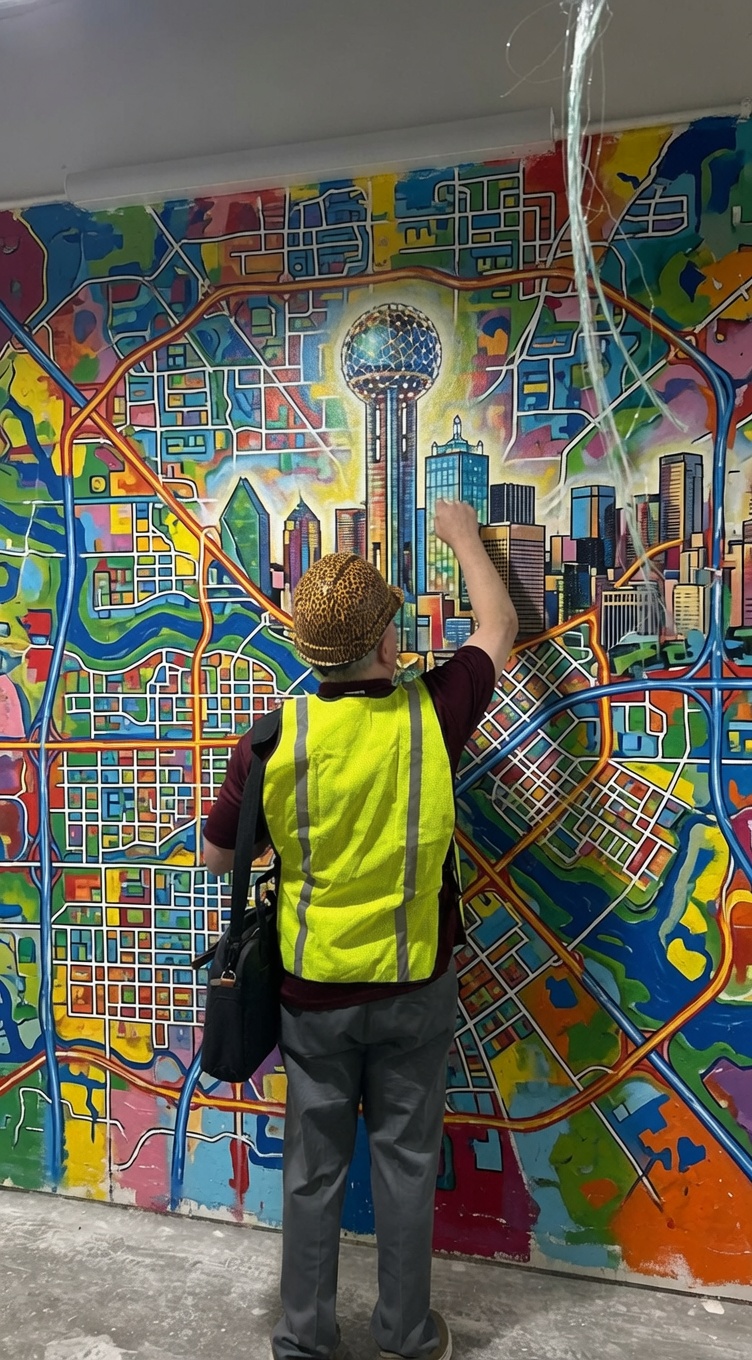
Managing signage across active jobsites
Construction site signage can be managed as an ongoing program, not just a one time order. For active contractors and facilities teams, Lawton can help keep signage consistent across phases, entrances, gates, safety areas, visitor routes, parking zones, and multiple sites.
This helps teams avoid rebuilding the same sign process every time something changes. Consistent materials, layouts, updates, production standards, delivery planning, and installation awareness make signage easier to manage as the project moves.

A site walk turns jobsite signage into a production plan
Most AEC teams are not just looking for signs. They are trying to figure out what the site needs, where each piece should go, what material will hold up, and how to avoid ordering the wrong thing under pressure.
Lawton can help review the site, confirm sign locations, check sizing and visibility, and connect that field information to construction safety signage, custom signs, exterior signs and banners, installation services, and DFW delivery support.

Site walk and jobsite signage photo examples
These examples show the kind of project materials that often connect to an AEC site walk, including signs, fence graphics, safety messaging, plan support, closeout documents, and field ready production.
The Knox Site Walk
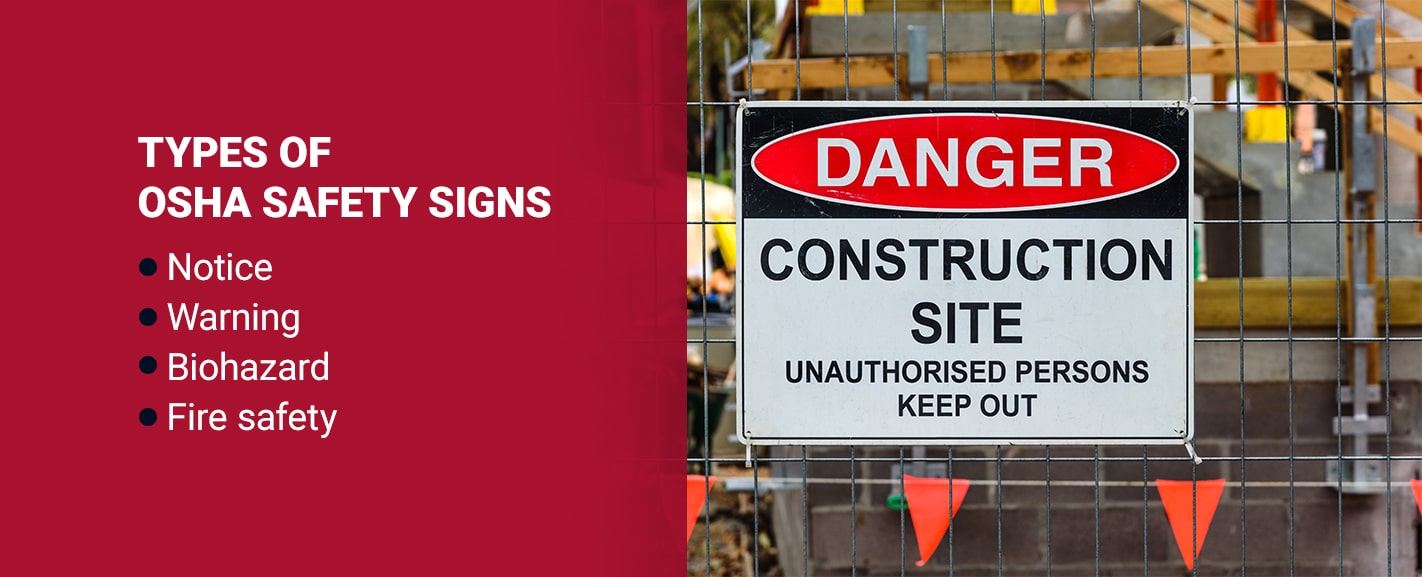 Safety Signs
Balfour Beatty Safety Signage
Safety Signs
Balfour Beatty Safety Signage
 Fence Banners
 Closeout Docs
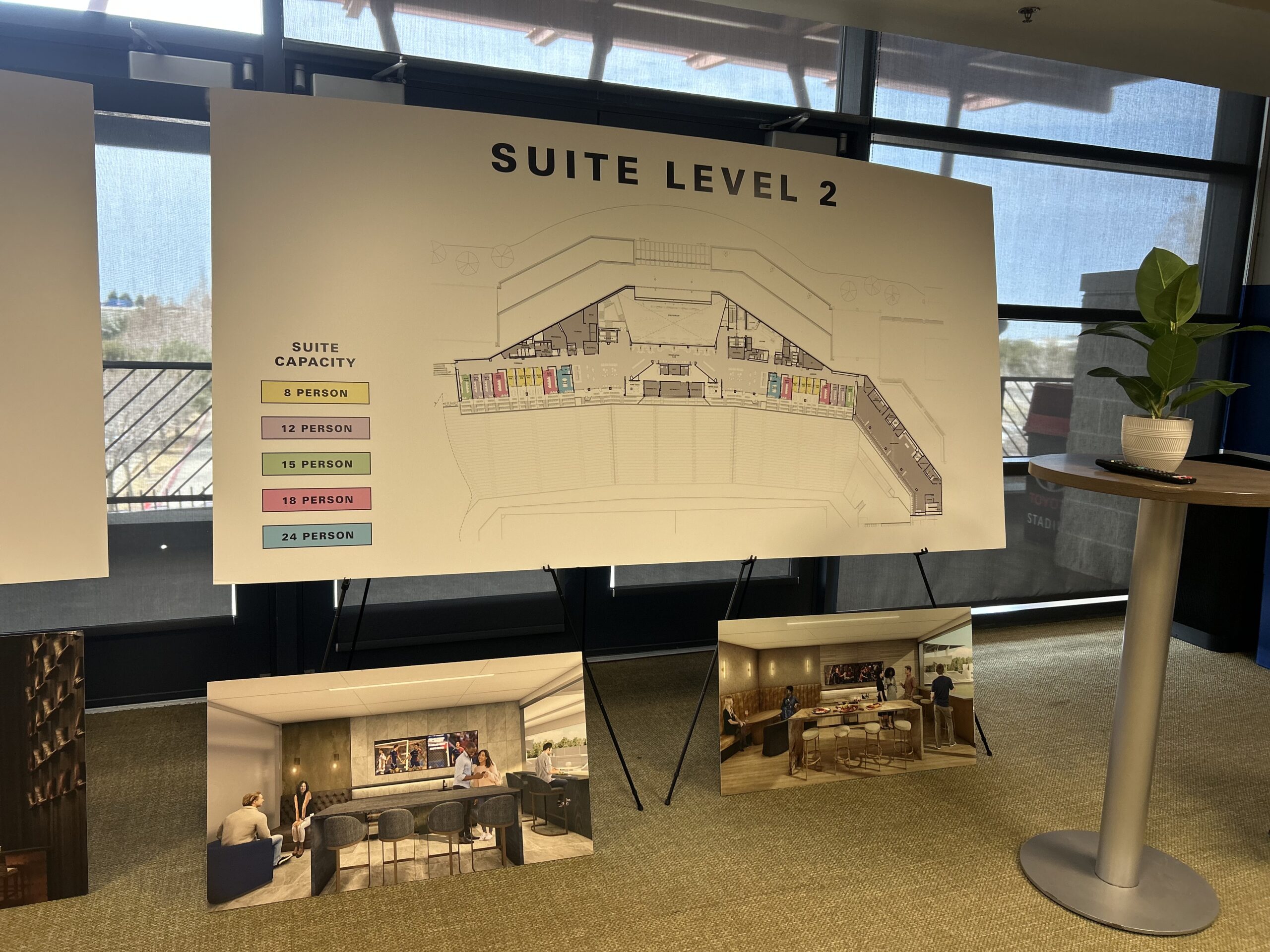 Plan Sets
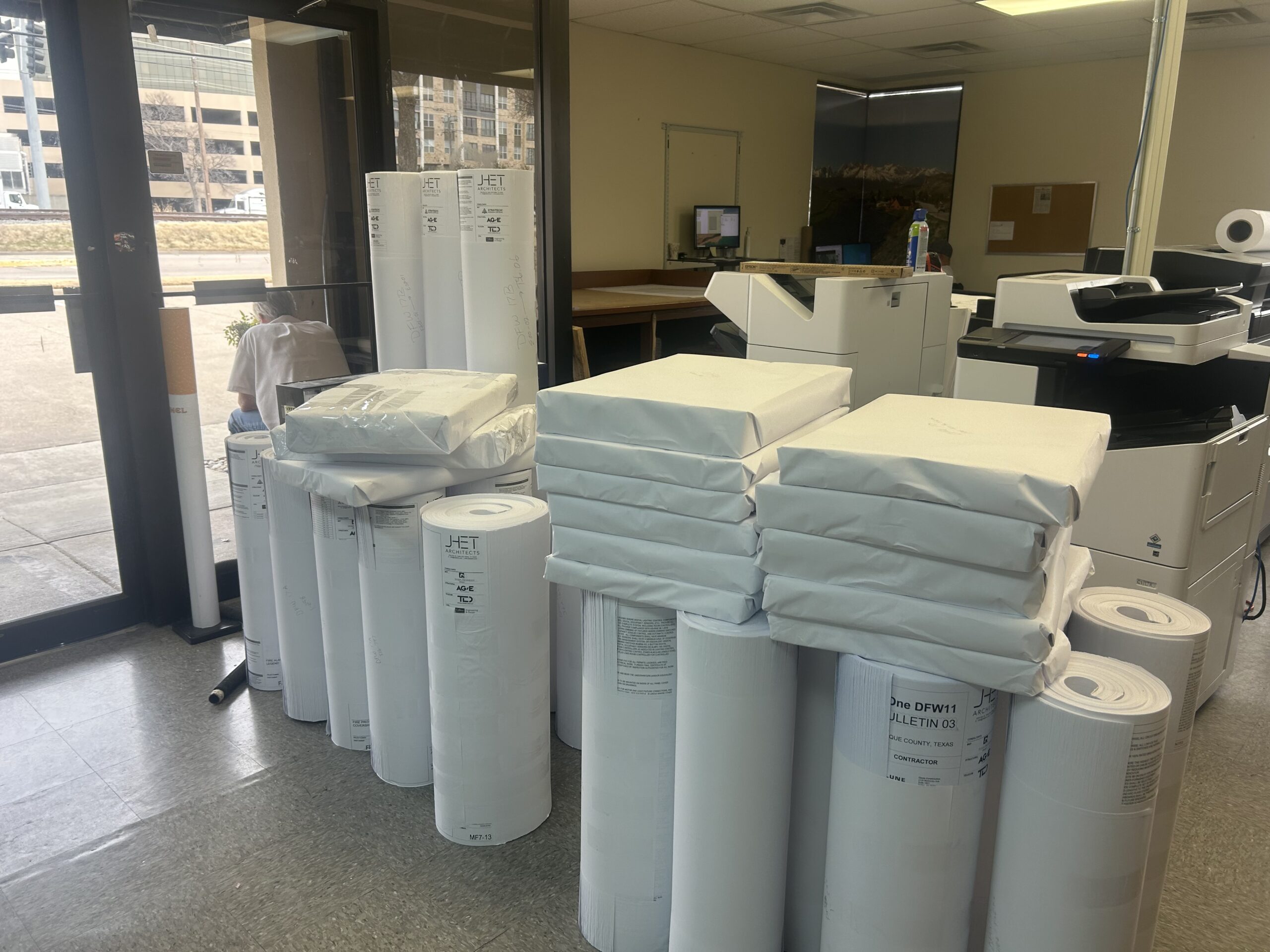 Field Support
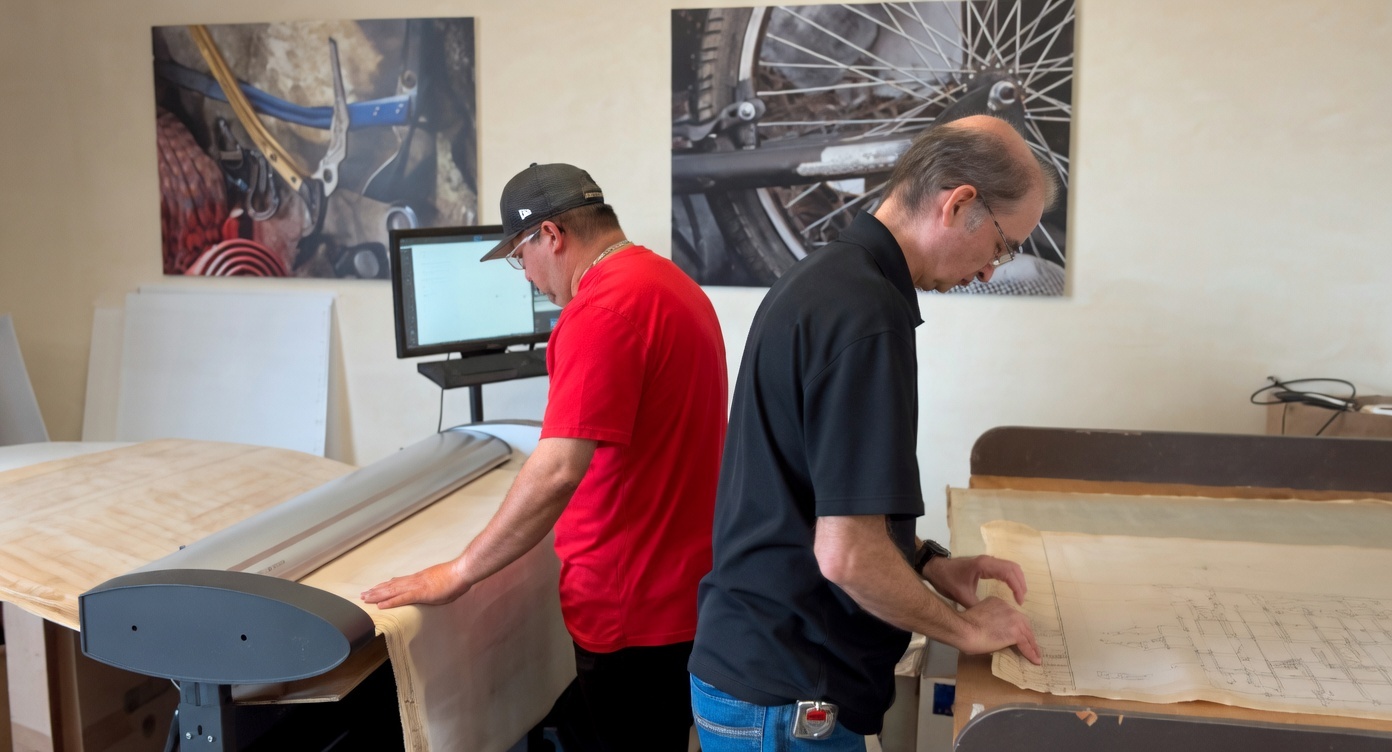 Production
Three service buckets that make the offer clearer
Site walk and field review
The site walk checks what the office file cannot always show. That includes surfaces, viewing distance, traffic flow, mounting conditions, access points, sign placement, and what the field team actually needs to see.
It is especially useful before producing temporary signs, perimeter banners, wayfinding, wall graphics, window graphics, and installation heavy work.
Jobsite signage and wayfinding
Jobsite signage keeps the site easier to understand. This can include safety signs, entrance signs, parking signs, visitor instructions, gate signs, phase updates, directional signs, fence banners, and project boards.
Good signage reduces repeated questions and helps people move through the site with less friction.
Production delivery and install support
The planning only helps if the finished pieces arrive right. Lawton can support file setup, proofing, printing, finishing, packing, delivery, and installation coordination depending on the project.
This keeps the work connected from field review to finished piece.
Quick takeaway
This offer helps prevent wrong materials, missed signs, bad placement, install surprises, reprints, and deadline pressure. The goal is not to make the job more complicated. It is to confirm the practical details before they become field problems.
What we check during the site walk
AEC site walks are most useful when the review is practical. The point is to connect signage, graphics, documents, and installation details to the real site conditions.
We look at approximate sizes, viewing distance, sign visibility, and whether the artwork or print size makes sense in the space.
Different surfaces call for different materials. Fence mesh, rigid signs, adhesive graphics, window film, and mounted boards do not behave the same way.
Signs need to be where people naturally look and move. Entrances, gates, parking, pedestrian paths, and delivery points all affect placement.
Access, height, timing, equipment needs, and site restrictions can affect whether an install is simple or needs more planning.
We help separate what is needed now from what may be needed later, especially when signs repeat across entrances, floors, phases, or zones.
Delivery timing, install windows, packing, labels, and contact names matter when the site is active and the team is moving quickly.
What we handle behind the scenes
Lawton’s role is to help manage the production path, not just print whatever file shows up first. That matters when one project may need plans, signs, banners, scans, graphics, delivery, and installation inside the same timeline.
Clarify what the project actually needs
We help separate safety signs, directional signs, project branding, fence graphics, document sets, closeout materials, and install needs so the order is easier to produce correctly.
Review files and production details
Artwork size, file setup, sign copy, quantities, versions, materials, and finishing all need a quick check before production starts.
Proof the pieces that need review
Repeated signs, project boards, wall graphics, window graphics, and safety messaging should be checked before one small issue becomes several printed mistakes.
Print finish pack and label clearly
Rigid signs, banners, mounted boards, plan sets, binders, and graphic kits all need different finishing and packing. Clear grouping makes the field handoff easier.
Coordinate delivery or installation when needed
Some jobs only need pickup. Others need delivery, installation, site access planning, or phased drop offs. The earlier that is known, the fewer surprises at the end.
Support scanning archiving and closeout when relevant
For construction teams, the signage need often sits beside document control. Lawton can also support blueprint scanning, closeout documentation, and archive related print workflows.
What usually causes problems on site signage projects
Most problems come from gaps between the office plan and the field condition. A site walk helps find those gaps before the work is printed, packed, delivered, or installed.
The sign looks right on screen but not on site
Viewing distance, mounting height, lighting, traffic flow, and surrounding activity can change how readable a sign feels in real use.
The wrong material gets chosen
A temporary fence banner, an outdoor rigid sign, an interior wall graphic, and a window graphic all need different production decisions.
Installation access is overlooked
Access restrictions, active work zones, lift needs, wall conditions, gate access, and site hours can all affect the install plan.
Quantities change after production starts
Repeated signs are easy to miss when entrances, gates, floors, elevators, parking areas, and phases are not reviewed together.
Version confusion slows the project down
Jobsite signs often include safety language, dates, logos, contacts, maps, or directional information. Old copy can create expensive rework.
Best practices for smoother site walks and jobsite signage
Start with the site condition
Walk the site before finalizing signs when placement is uncertain. Surfaces, sightlines, and access often decide what will work.
Group signs by purpose
Separate safety, direction, parking, branding, visitor, and phase signage. This makes quantity checks and proofing easier.
Confirm material use early
Material choice should match the environment. Outdoor exposure, temporary use, mounting method, and durability all matter.
Proof repeated signage
Repeated signs should be reviewed before production. One wrong phone number, arrow, or location name can multiply quickly.
Plan delivery and install details
A finished sign still needs a clean handoff. Site contacts, gate access, staging, labels, and install timing should be confirmed.
Connect signage with document needs
AEC projects often need more than signs. Plans, scans, closeout sets, boards, and field graphics may belong in the same workflow.
Project spotlights
These examples show how site signage, construction graphics, and document support connect across real production needs.
Balfour Beatty safety signage
Safety signage needs to stay readable in real field conditions. Placement, material choice, visibility, and repeatable sign standards all affect how well the signage works on site.
Beck Construction closeout documentation
Closeout support helps teams organize the final handoff with printed records, binders, and archive ready document handling when the project is moving toward turnover.
The Knox site walk
A site walk helps confirm what will actually work before production begins. For active developments, that can mean checking placement, measurements, surfaces, access, and install timing in the field.
FAQs about AEC site walks and jobsite signage
These are the questions teams usually ask when deciding whether a site walk is worth doing before production.
Can site signage be managed as an ongoing program?
Yes. For active contractors and facilities teams, jobsite signage can be handled as a repeatable program with consistent materials, layouts, updates, and production standards across phases or multiple sites.
Do we need a site walk before ordering construction signage?
Not always, but a site walk helps when placement, measurements, surfaces, access, or installation details are unclear. It is especially useful for active jobsites, multi sign packages, fence banners, wall graphics, window graphics, and wayfinding.
What happens during an AEC site walk?
A site walk reviews the field conditions that affect production. That can include sign locations, viewing distance, material choice, mounting surfaces, access points, install timing, quantity needs, and delivery details.
Can Lawton help decide what jobsite signs we need?
Yes. Lawton can help review the site and recommend practical signage needs based on entrances, traffic flow, safety communication, parking, visitor routes, phase updates, and project workflow.
Do you install jobsite signs?
Yes, when installation is needed. The team can help with production, delivery, and install coordination depending on the project scope, site access, and material requirements.
What types of jobsite signage can this include?
Common pieces include safety signs, fence banners, directional signs, entrance signs, parking signs, visitor instructions, project boards, wall graphics, window graphics, and temporary construction signs. The exact mix depends on the site.
Can you help with plans, scanning, and closeout documents too?
Yes. This page focuses on site walks and signage, but Lawton also supports construction printing, blueprint scanning, document scanning, and closeout documentation.
How do we get started?
Share the site address, what kind of signage or graphics you think you need, any drawings or photos you have, and the deadline. From there, production can help decide whether a site walk, quote, or file review is the right next step.
Related pages and useful next steps
These pages help connect the site walk offer to Lawton’s broader AEC, construction printing, signage, scanning, installation, and delivery support.
For outside reference points on jobsite communication and construction documentation, teams may also find the OSHA sign and tag requirements, the Construction Specifications Institute, and the AIA contract documents resource center useful depending on the project.
Why this helps
A site walk helps turn uncertain field conditions into a cleaner print and signage plan. With more than 40 years supporting North Texas teams, Lawton brings practical production experience to the details that can slow a project down when they are missed.
Start with the right next step
Tell us what is being built, where the signs need to go, and what deadline you are working toward. We’ll help you figure out whether a site walk, a quote, or a file review is the right first step.