

Marketing Collateral Printing for Dallas Fort Worth Teams
Marketing collateral is the printed and digital support material a business uses to explain, promote, sell, or support its brand. For Lawton customers, that usually means brochures, flyers, cards, mailers, sales sheets, event pieces, branded signs, presentation materials, and the production support needed to keep them consistent.
Good collateral helps teams move faster because the message, file, paper, finish, quantity, and delivery plan are clear before production starts. Lawton Printing and Graphics helps North Texas teams turn ideas and files into finished materials that are proofed, organized, and ready for real use.
 Marketing collateral production
What marketing collateral usually includes
When people search for marketing collateral, they are usually trying to define what pieces they need, how those pieces should look, and how to get them produced without version problems or delays. Lawton supports both the design and production side, so teams can move from concept to finished materials with fewer handoffs.
Common needs include brochure printing, business cards, postcards, sales sheets, presentation boards, event handouts, direct mail, branded signage, and campaign materials that need to match across print and digital channels.
- Sales collateral such as brochures, one sheets, product sheets, folders, inserts, leave behinds, and proposal support pieces.
- Brand collateral such as business cards, letterhead, envelopes, branded templates, signage, office graphics, and customer facing print materials.
- Promotional collateral such as flyers, postcards, coupons, QR cards, event handouts, mailers, posters, and campaign print pieces.
- Digital collateral support such as print ready file setup, QR code placement, branded design files, presentation layouts, and version controlled assets.
Marketing collateral examples
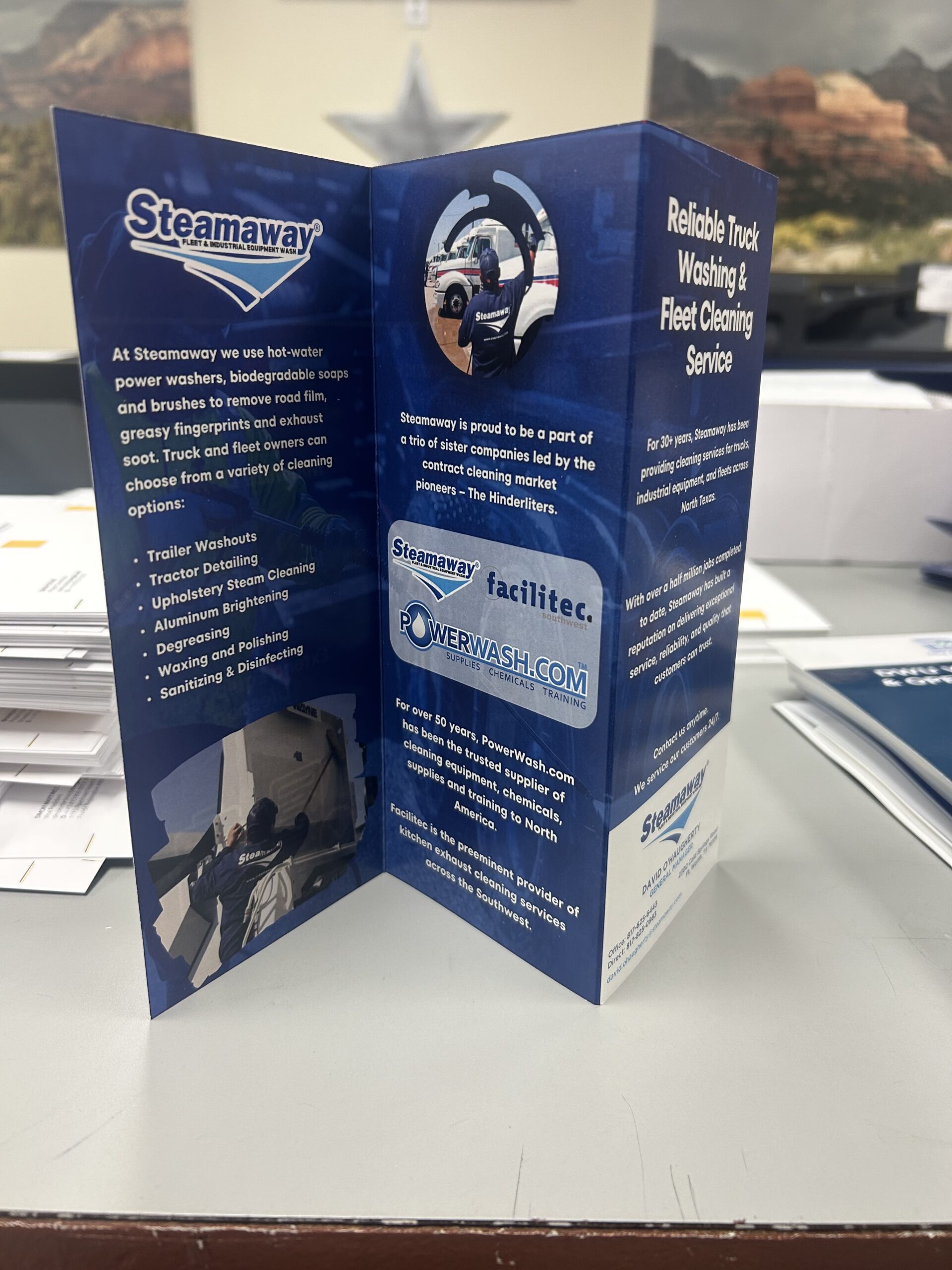
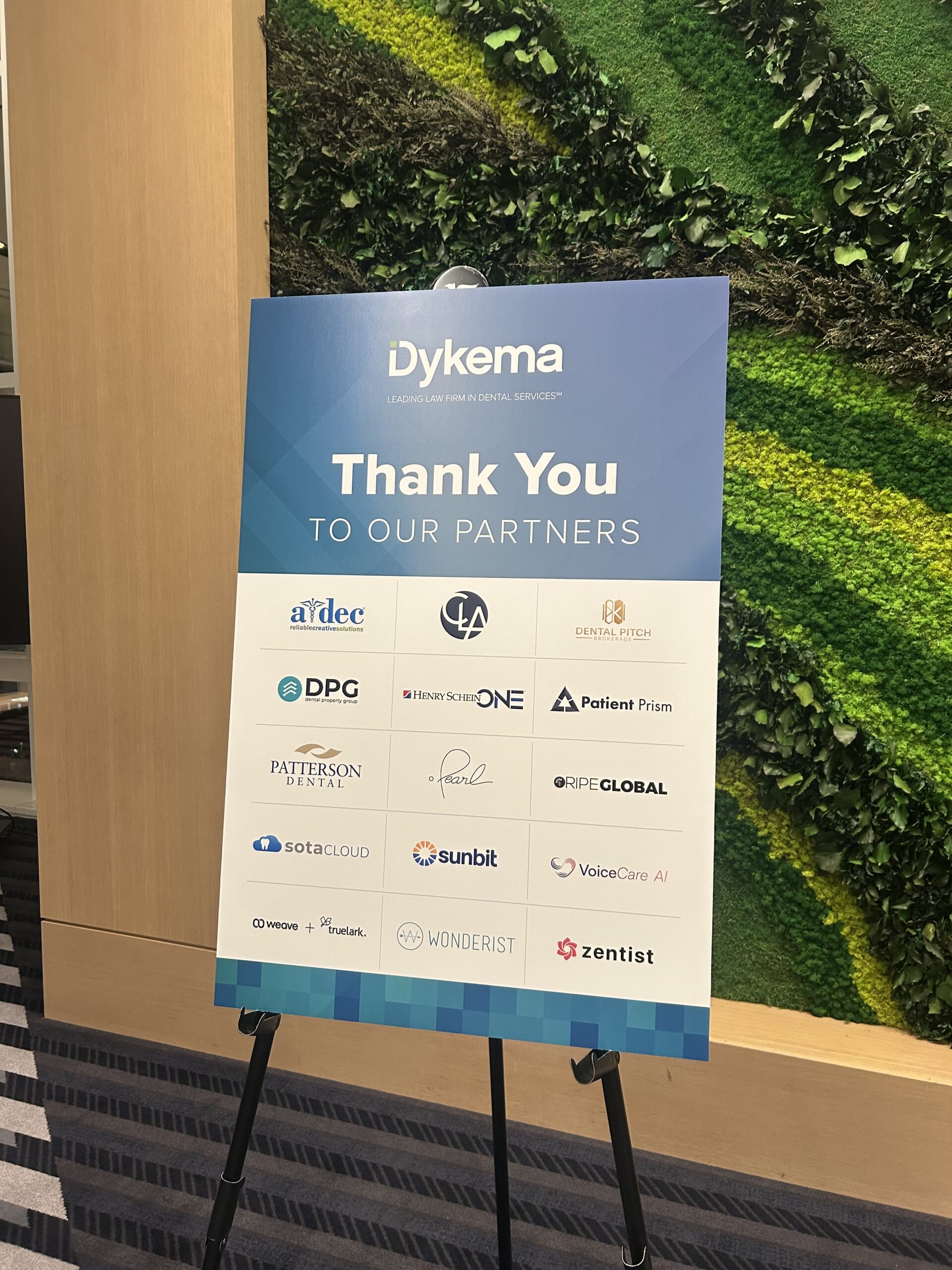
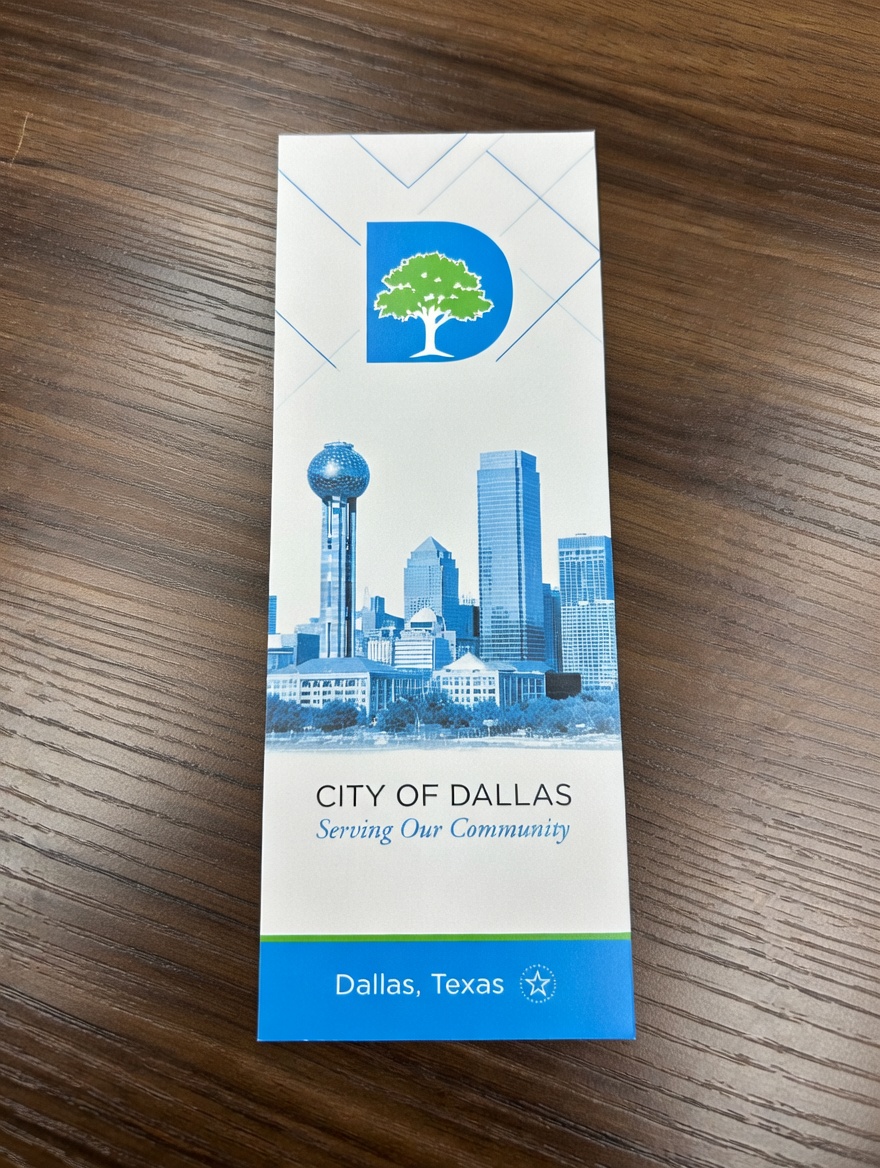
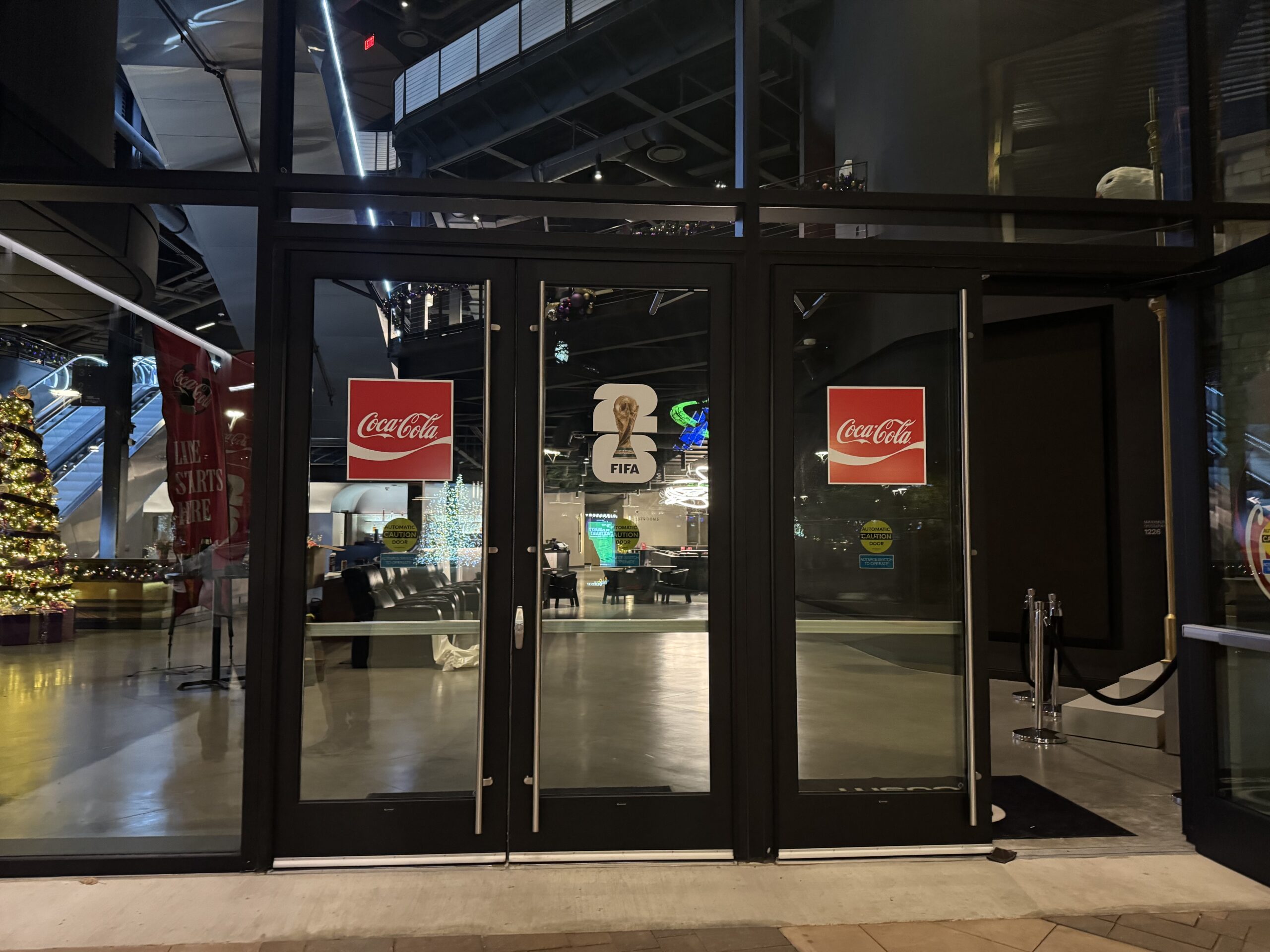
These examples show the range of work behind a collateral program. The important part is not just the item itself, but how the design, proofing, paper, finish, quantity, packing, and delivery plan work together.






Three service buckets most teams need
Marketing collateral can sound broad, but most projects fall into three practical groups. Separating the work this way helps teams decide what needs design support, what needs production planning, and what needs delivery or fulfillment.
Brand and sales materials
This includes business cards, brochures, sales sheets, folders, postcards, flyers, product sheets, and leave behinds. These pieces need clean design, consistent branding, accurate contact details, and paper or finish choices that fit the setting.
Campaign and event collateral
This includes mailers, QR cards, event handouts, posters, signage, banners, booth graphics, and display pieces. These jobs usually have hard dates, so proofing, finishing, packing, and delivery need to be planned early.
Production management
This includes version control, print ready file setup, proof routing, quantity planning, finishing, kitting, mailing, delivery, and reorder support. It helps keep collateral programs organized when several pieces need to launch together.
The goal is a clear, consistent set of materials that helps sales, marketing, events, operations, and customer facing teams communicate without scrambling for last minute fixes.
What we handle behind the scenes
Collateral projects often involve more coordination than customers expect. Lawton helps manage the details that affect whether the finished piece is accurate, usable, and ready on time.
Need review
We help clarify the piece, size, quantity, deadline, audience, and intended use before production starts.
Design support
When needed, our team can help with layouts, file cleanup, branded templates, and print ready setup.
Proofing
Proofs help catch spelling, layout, QR code, contact, image, and version issues before print.
Material planning
Paper stock, finish, mounting, durability, and handling are matched to how the piece will be used.
Printing
We support small runs, larger quantities, quick needs, and coordinated campaigns with multiple pieces.
Finishing
Cutting, folding, scoring, binding, mounting, laminating, and other finishing details are planned up front.
Packing and kitting
Materials can be grouped by team, event, location, campaign, property, or mailing requirement.
Delivery and fulfillment
We can support pickup, local delivery, mailing, shipping, and fulfillment services when the project needs more than print.
What usually causes problems
Most collateral issues are preventable. They usually happen when the design, proof, material, deadline, or handoff plan is not settled before production begins.
Version confusion
Old logos, outdated pricing, wrong phone numbers, missing disclaimers, and duplicate file names can create reprints. A simple file naming convention and one approved final file can prevent most of this.
Files that are not production ready
Low resolution images, missing bleed, color issues, font problems, and weak layout setup can slow the job down. A quick prepress review helps protect the deadline.
Wrong stock or finish
Paper, coating, lamination, folding, and mounting choices affect how the piece feels, ships, stacks, and holds up. The best choice depends on use, quantity, handling, and budget.
Proofing gets rushed
A deadline can make proofing feel optional, but it is where many expensive mistakes are caught. QR codes, names, dates, event details, addresses, and offers should be checked before approval.
Delivery is planned too late
Collateral often needs to arrive before a meeting, event, launch, open house, or sales visit. Packing, shipping, mailing, and local delivery should be part of the production plan.
Best practices for effective print marketing collateral
Strong collateral is clear, consistent, and easy to use. These habits help keep the work practical for sales teams, event teams, customers, and anyone handling the finished materials.
Start with the job the piece needs to do
Define whether the piece is meant to introduce the company, explain a service, support a sale, drive a scan, guide an event, or leave something useful behind.
Keep the brand system simple
Use consistent colors, logo placement, spacing, and usually two or three typefaces across a collateral set. That makes the materials feel connected without making every piece identical.
Build a clear marketing collateral checklist
Include final copy, approved artwork, correct size, paper choice, finish, quantity, proof approval, delivery date, packing instructions, and reorder needs.
Use QR codes with a real plan
QR codes work best when the destination is useful, mobile friendly, and tracked. Test the code before printing and leave enough quiet space around it.
Plan direct mail early
Mailing projects need size, list, address, postage, paper, and timing decisions before production. USPS resources such as Every Door Direct Mail can help teams understand basic mailing options.
Check readability before print
Small text, low contrast, busy backgrounds, and cramped layouts can make good content hard to use. The WCAG contrast guidance is a useful reference for accessible readability.
Keep print and digital aligned
Digital marketing collateral and print collateral should use the same message, offer, QR destination, brand look, and contact path so customers do not get conflicting information.
Think about sales use
Collateral should be easy to carry, explain, hand out, mail, display, or reorder. The U.S. Small Business Administration marketing and sales guide is a practical outside resource for planning how materials support business goals.
Marketing collateral FAQs
These are the questions people usually ask when they are trying to define, create, price, or organize collateral for a real campaign.
What is marketing collateral?
Marketing collateral is the collection of materials a business uses to explain, promote, sell, or support its products, services, brand, or campaign. It can include printed pieces, digital assets, sales materials, event pieces, signage, and direct mail.
What is a simple marketing collateral definition?
A simple definition is this. Marketing collateral means the branded materials used to support marketing, sales, events, customer communication, or business development.
What are common marketing collateral examples?
Common examples include brochures, flyers, business cards, postcards, mailers, folders, sales sheets, product sheets, posters, banners, event handouts, QR cards, presentation boards, and branded signs.
Does marketing collateral include digital marketing?
Yes. Digital collateral can include PDFs, slide decks, social graphics, email graphics, landing page assets, downloadable guides, and digital sales sheets. Many teams need both print and digital versions to stay consistent.
What is print marketing collateral?
Print marketing collateral is the physical version of your sales or promotional materials. It includes pieces like brochures, cards, mailers, flyers, catalogs, booklets, event signs, and presentation materials.
What is B2B marketing collateral?
B2B marketing collateral supports business to business sales and communication. It often includes sales sheets, capability statements, brochures, case study printouts, proposal inserts, trade show materials, mailers, and leave behinds.
How do you create marketing collateral?
Start with the purpose, audience, message, format, quantity, deadline, and distribution plan. Then create or clean up the design file, proof it carefully, choose the right material, and plan finishing, packing, delivery, or mailing.
How many fonts should be used across marketing collateral?
Most collateral systems work best with two or three typefaces used consistently. Too many fonts can make the brand feel scattered and can create production issues when files are shared or updated.
Should QR codes be used on printed marketing collateral?
QR codes can be useful when they send people to a relevant landing page, form, video, map, menu, or offer. They should be tested before print and placed where they are easy to scan.
What should be on a marketing collateral checklist?
A useful checklist includes final copy, approved artwork, logo version, colors, fonts, dimensions, paper stock, finish, quantity, proof approval, QR test, delivery date, packing instructions, and reorder plan.
How much does marketing collateral printing cost?
Pricing depends on size, quantity, paper, ink coverage, finish, design support, turnaround, mailing, delivery, and fulfillment needs. A quick review of the file and intended use is usually the best way to price it accurately.
Is this the same as financial collateral in lending or securities markets?
No. This page is about marketing collateral materials. Financial collateral used in repo markets, derivatives, lending, or debt collection is a separate finance topic and is not the service described here.
Why this helps
When marketing collateral is planned as a full production workflow, teams avoid rushed reprints, wrong versions, missed dates, weak finishing, and scattered brand presentation. With more than 40 years serving North Texas, Lawton helps Dallas Fort Worth teams keep the details organized from idea to finished piece.